Breathing is of prime importance for freedivers like Nik Linder. He explains how breathing techniques can put the fun into breathing.
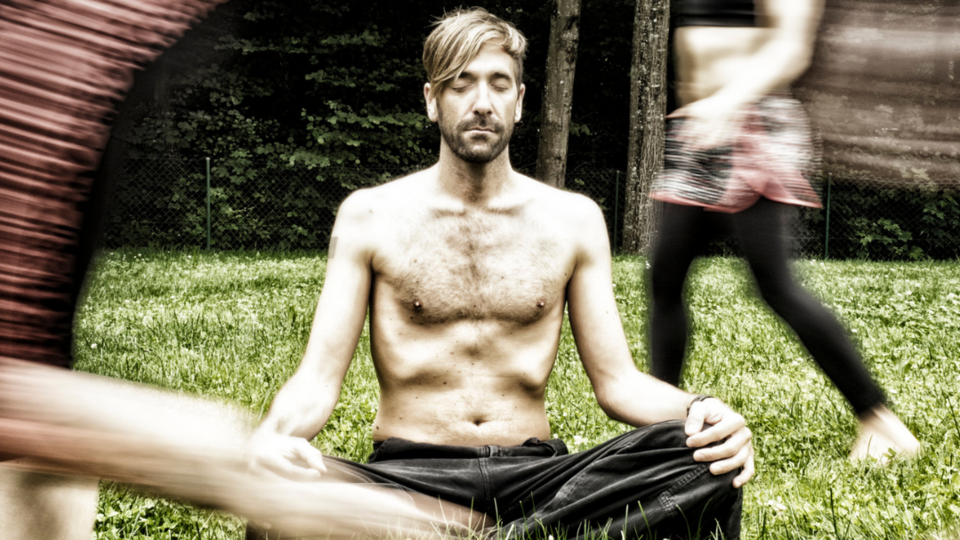
Breathing is of prime importance for freedivers like Nik Linder. They can only dive deep without a compressed air cylinder when their breathing is under control. Nik Linder explains how breathing techniques can put the fun into breathing.
Header: Phil Simha
I can remember very clearly how when I started freediving, I was not all that bothered about breathing and relaxation techniques. I had plenty of enthusiasm, ambition and self-discipline – it just didn’t get me very far.
Freediving is all about performing while you are in a relaxed state with a low pulse rate. I soon noticed that many of the factors that are important in other types of sport were not going to bring me success in freediving. Up to that point I didn’t believe that I needed to be a balanced person and nor was I in search of enlightenment. What it boils down to is that I wanted to dive deeper and further and for longer and I had hit a dead end with my tried and tested strategy.
So I had to learn about relaxation techniques. And I did! I soon realised that not all of these techniques worked well for me. First, I turned up to a yoga class. I knew that many freedivers do yoga. It did not take me long to notice that firstly, I had to exert myself for 90 minutes so that I could collapse in a heap on my yoga mat at the end of the session, exhausted and with no strength left in me.
“Shavasana” means “corpse pose” – and now I knew why! But I did want to relax as quickly as possible and so I tried out all kinds of other techniques: progressive muscle relaxation, mindfulness meditation, autogenic training, and, of course, pranayama, the breathing component of yoga.
I discovered that you could also do your breathing exercises without having to do your “Asanas” beforehand. Asanas are yoga exercises that look easy but that very soon show you the limits of your physical capabilities (at least they did for me, and I didn't like that). So I stuck with Pranayama for the time-being and did that without the Asanas.
I was quickly struck by the fact that the breathing exercises were nothing unfamiliar, as the other relaxation techniques had been. Breathing – that was something I already knew and could do. So the next step – mindful breathing – was just a small one. And it didn’t take long for the progress to become evident.
So from that point onwards I started to breathe more consciously. Initially, it was specifically for freediving, firstly to tap into more of my lung potential and to train my respiratory muscles – but also to lower my pulse and therefore use up less energy and oxygen. As with freediving you only have one breath for your dive, it is important to inhale as deep as you can and to be economical with the air you breathe and the oxygen in that air.
In an interview for the magazine “Unterwasser” (“underwater”), in the days back when I used to be an athlete, I was asked what the core skills of a freediver are. I answered: “Being able to relax on the spot”. But I soon realised that relaxing was good for me in my regular day-to-day life too.
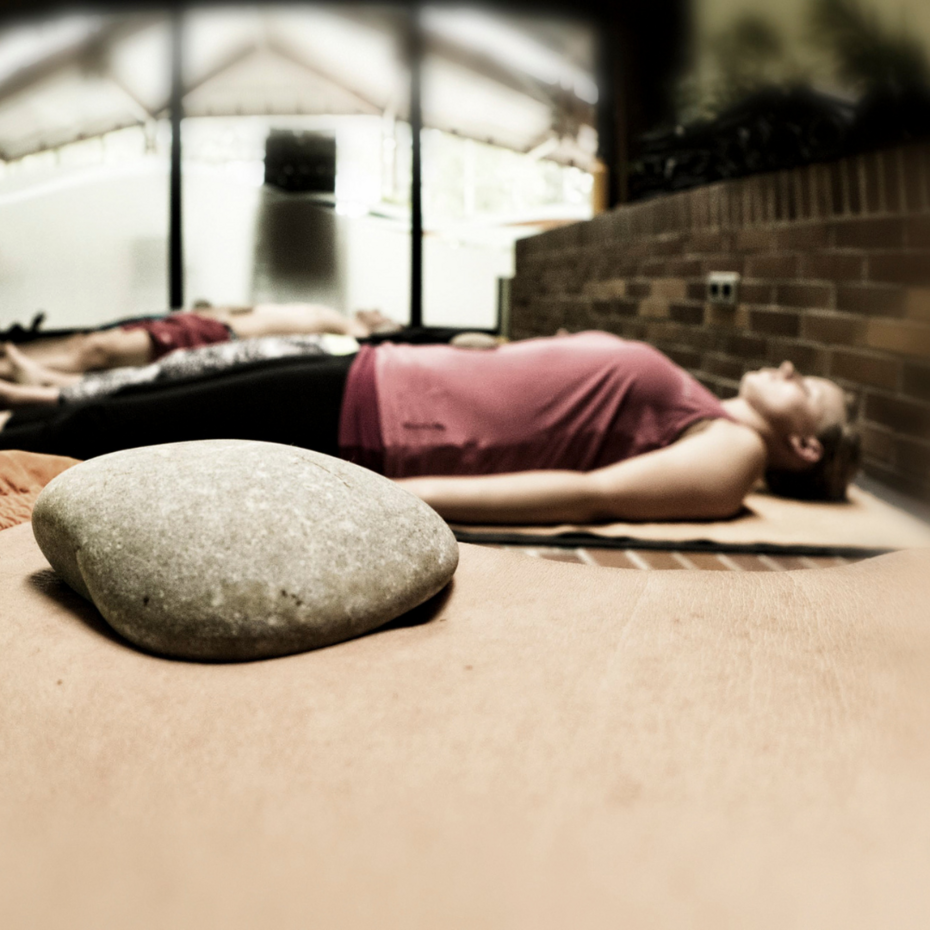
It isn’t difficult to enter a state of relaxation through your breathing. The easiest way is to put your hand on your belly and to take a few breaths while exerting light pressure with your hand. Your chest should not move as you do this. This technique, known as belly, abdominal or diaphragmatic breathing, lowers your pulse and makes you breathe deeper. Someone who calmly breathes from their belly achieves the opposite of rapid and shallow breathing. Our nervous system interprets rapid breathing as stress, which results in nervousness and restlessness.
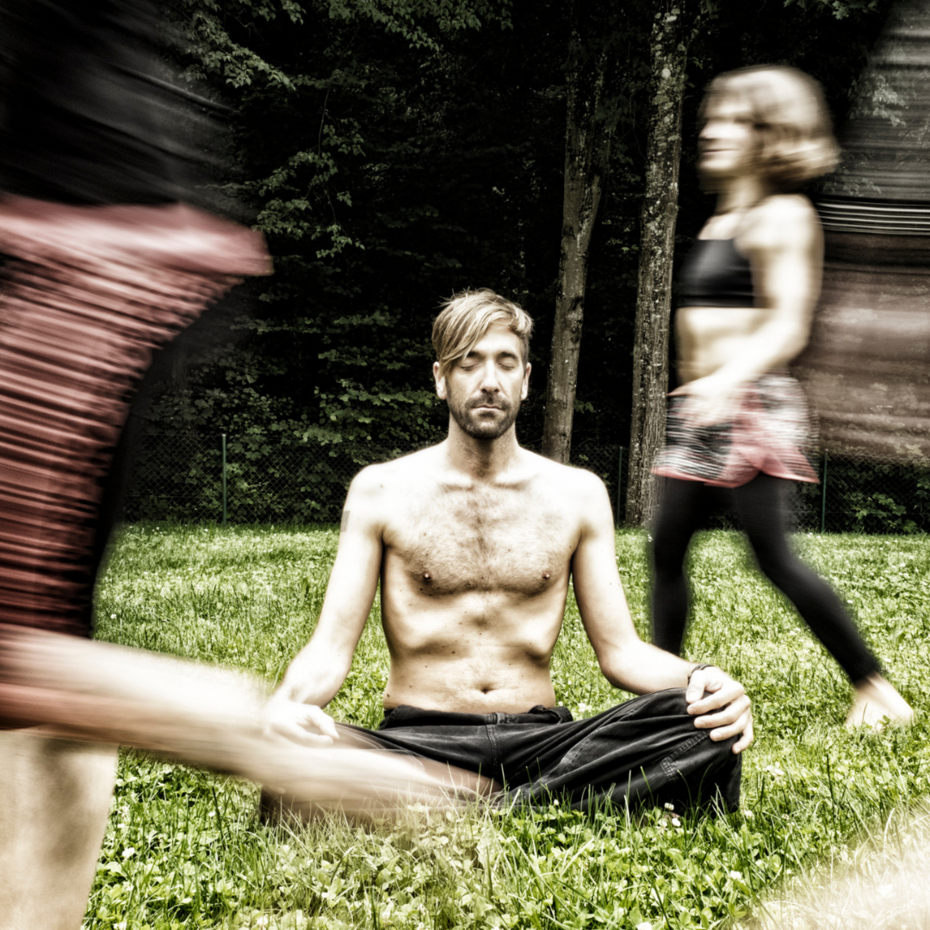
We take an average of 12 to 18 breaths a minute. Only rarely are we aware of these breaths we take. Breathing goes on in the background. If we exercise, we breathe more. If we are asleep, we breathe more calmly. But we also have the option of simulating breathing. When we breathe into our belly, we are copying how we breathe when we are asleep and convince our nervous system that we are relaxed.
Usually, you don’t have to do any actual breathing exercises to relax. It is enough just to be aware of your own breathing. Counting your own breaths often slows down your breathing and calms you down. Try it out: Breathe for one minute counting your breaths. That in itself often slows down your breathing.
Breathing exercises are effective at another level too. If I concentrate on my breathing, I don’t have the head space for automatic thinking or petty worries. I am focused on the here and now and on my breathing. When I started out, I have to admit that I never thought that a few minutes of peace and quiet in my head would be able to make such a difference. But it made me more balanced, I was able to sleep better and was not as impulsive. I became a friendly guy you could get on well with.
You can say that with breathing exercises I became a good friend to myself. When I sat down to breathe mindfully, I first checked my neck and jaw. I noticed that tension manifested itself not only in more rapid breathing, but also in tension in these areas.
First, I relaxed my neck and loosened my shoulders. I also made sure that I was not clenching my teeth and that my jaw was relaxed. I closed my eyes so I didn’t get distracted. Then I breathed in and then out for twice as long. The slow exhalation lowers the pulse and blood pressure, leaving you deeply relaxed.
The problem with stress is that it can often go unnoticed. It isn’t until the evening when we switch off the TV, put our mobile phone away and put out the light that we may notice that we have been turbo-charged all day and now, with our mind in overdrive, we cannot fall asleep.
Stress also manifests in a changed breathing pattern. Someone who is stressed will take rapid and shallow breaths. But if I am aware of my breathing more often, either by observing it or even doing a breathing exercise, I learn to become more aware of myself and my breathing. That helps me notice sooner if my breathing patterns have changed.
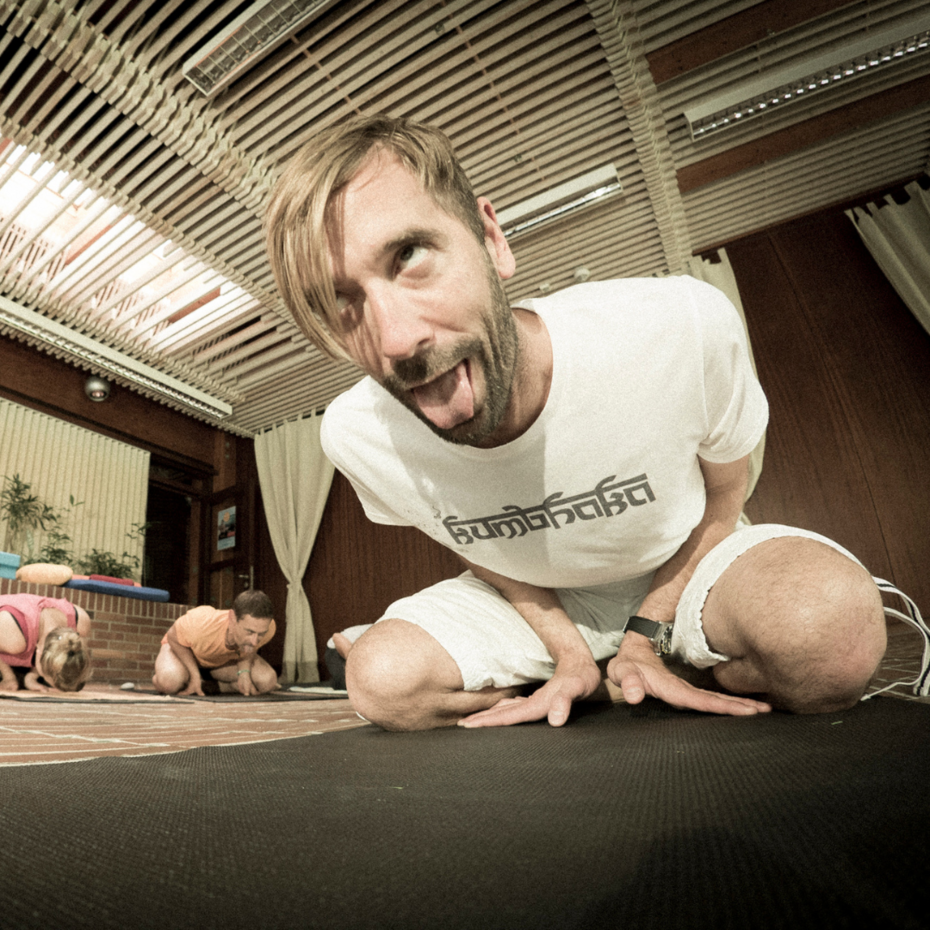
As freediving also involves deep diving, the pressure on the air-filled hollow spaces in your body is also important. So I made a habit of regularly combining breathing exercises with the PARI SINUS2, which meant that it was easier for me to equalise the pressure. Breathing through your nose is especially helpful as it filters, regulates the temperature and moistens the air as it enters the body to make breathing more fun.
I started on my pathway to better breathing for freediving over 20 years ago. I was thrilled to discover that we have been gifted such a simple and instinctive way to improve our well-being through breathing. Although with freediving I very often enjoy the breath-hold, I spend a lot of time finding out what other breathing exercises are out there and how I could use them. In my many breathing courses, it never fails to astonish me how many people have virtually no concept of their breathing – and how quickly they can benefit from breathing exercises like the gorilla for more confidence or the lion for more fun and laughs.
The breathing techniques helped me become a successful freediving athlete. I broke records and was successful in competitions. My days as an athlete are now behind me, but I still have my breathing techniques and with that I also have a simple way of living more mindfully.
Why not give mindful breathing a go!
Nik Linder holds several world records in under-ice distance diving and has broken several national freediving records. The enthusiastic lake explorer was the first person to swim around Lake Constance without support. Nik works as a breathwork and relaxation trainer and has developed a relaxation method called “Relaqua” which is deeply rooted in freediving, respiratory yoga and mindfulness. As an author, speaker and freediving trainer, he works primarily in German-speaking countries, but also travels all over the world.
Note: The statements made in the report are the individual view of the persons reporting. They do not necessarily reflect the PARI view or the general state of science.
