Nik Linder has been a freediver for almost ten years. He explains why breathing plays such an important role in this sport and what PARI has to do with diving.
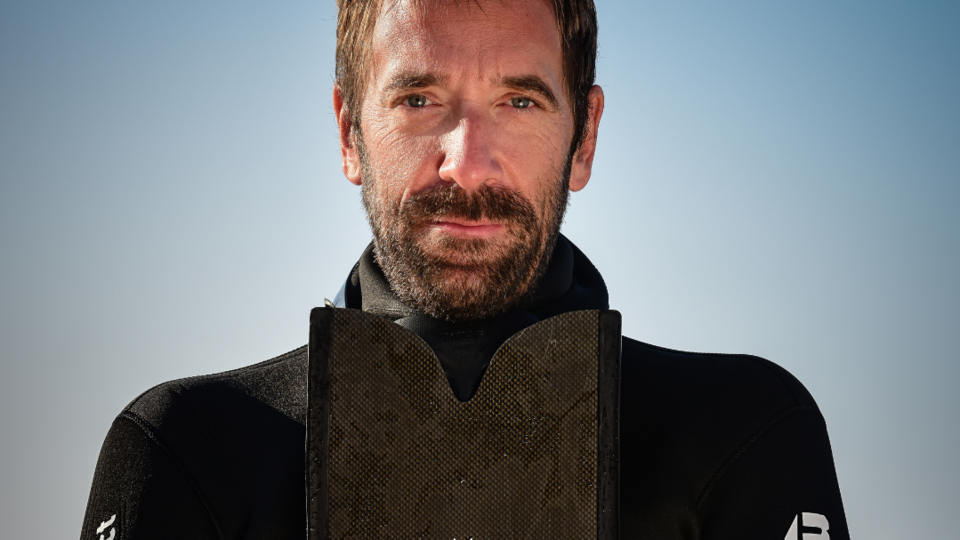
This year, Nik Linder will be a regular contributor to the PARI Blog and Instagram, reporting about his life as a freediver and breathwork trainer. He starts by explaining what breathing means to him and what he actually has to do with PARI.
Header: Janez Kranjc
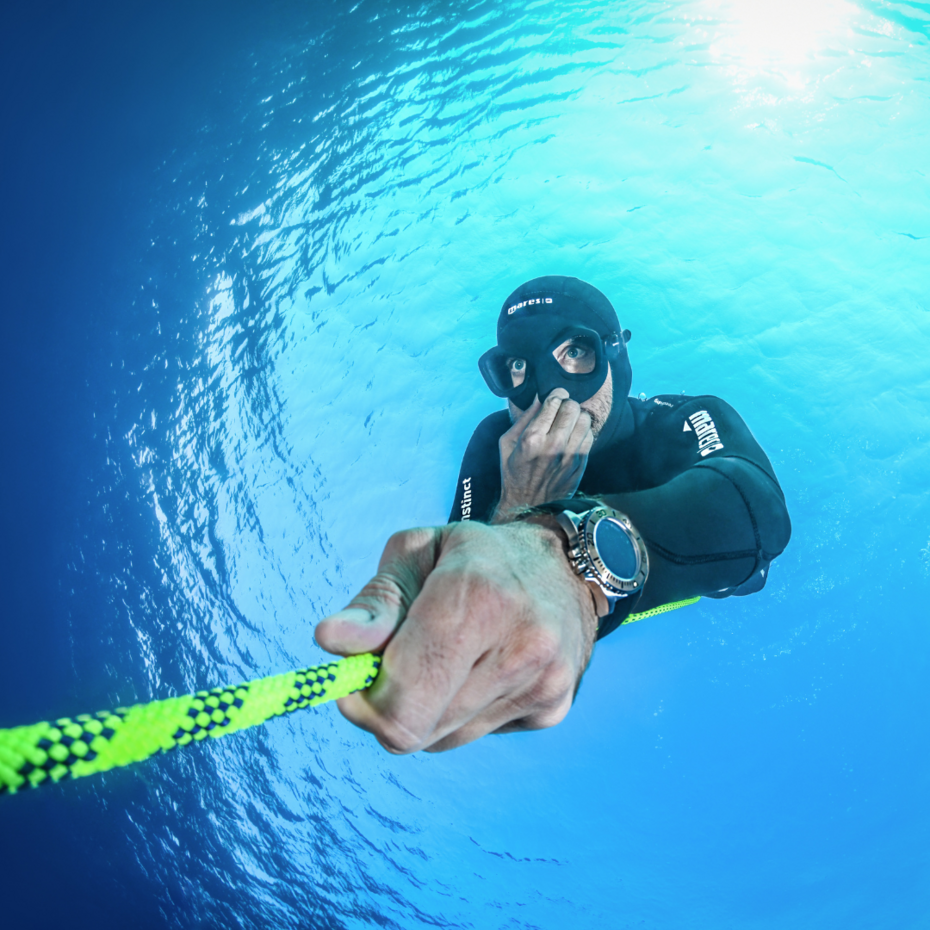
I have been a full-time “freediver” for almost ten years. This means that I make my money by holding my breath. With this type of diving, I discover the underwater world with only a single breath. During this “breathing break” I discover the great animals of our oceans and breathtaking coral reefs, but I also discover myself.
I always look around myself but also inside myself to identify any tension in my body and mind and to let it go. Because the more relaxed I am, the less energy and oxygen I use, which means my dives can be longer and above all safer.
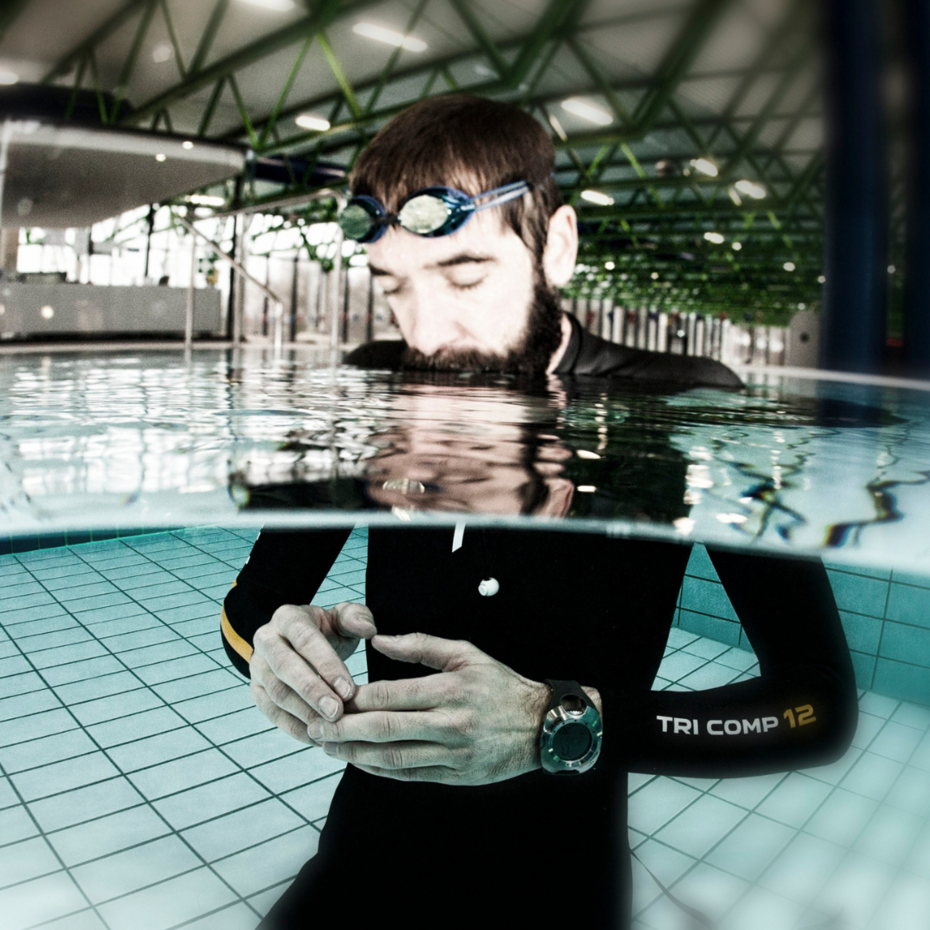
People who attend my courses are always surprised how much of the time is devoted to breathing. “I thought we would learn how not to breathe”, is often the feedback I get from my students. To dive as deep, far and long as possible with a single breath, you first have to learn how to breathe properly. As a freediver I do not use breathing equipment or a diving tank; I explore the world hidden beneath the surface of the water using just minimal equipment.
Flippers, a mask, a snorkel, a wetsuit and a lead belt - that’s all I need. Less equipment means less distraction and helps me be more aware of myself. However, less kit also means less help from equipment and more stringent demands placed on the mind and body. The most important key to manage this are my lungs and breathing.
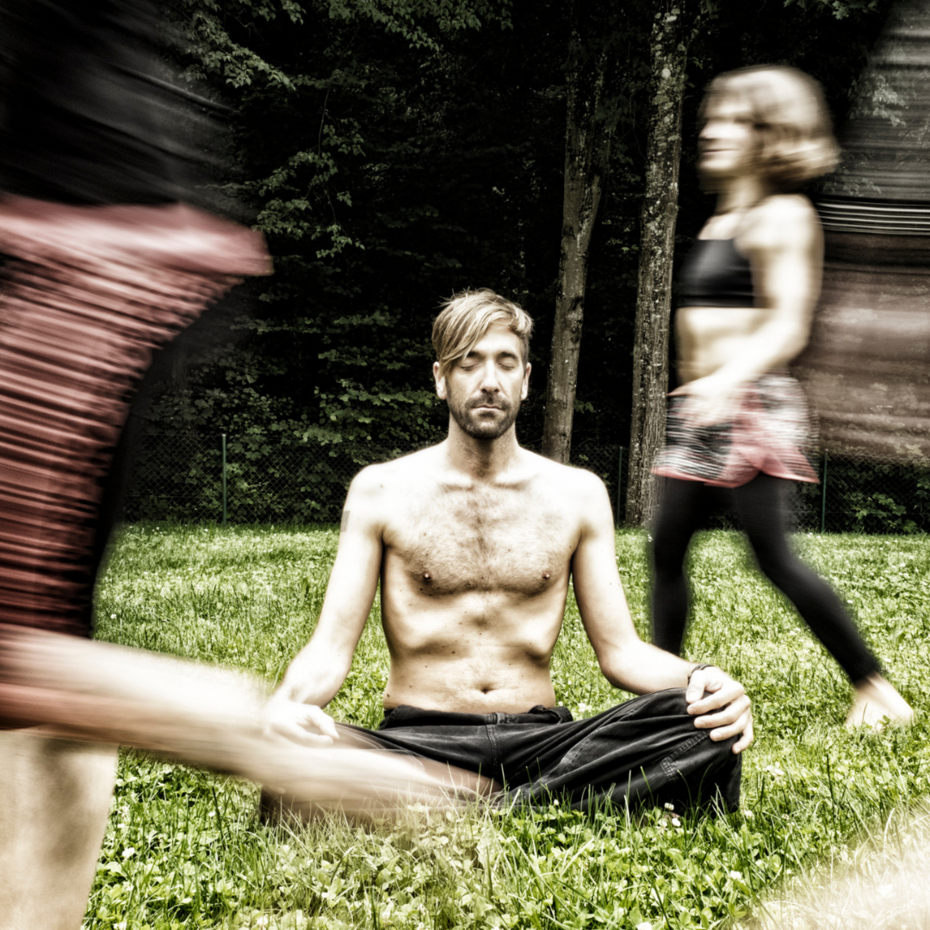
For freediving it really isn’t all that important to have large lungs. What is more important is to draw as much useable volume from the lungs as possible – this is called the vital capacity. We use breathing techniques, especially from yoga breathing, the Pranayama, to inhale and exhale more air. These techniques train the diaphragm and the intercostal muscles in particular. If you want to dive deep and for a long time, you have to train your respiratory muscles to inhale as much air as possible along with the oxygen in that air when you take that last breath.
Respiratory training not only helps you tap into more of your lungs’ capacity and train your muscles; it also helps you breathe more mindfully to calm you. A core skill that we freedivers have is being able to relax on the spot. To do this, we mainly use relaxing belly breathing combined with slow exhalation.
Breathing exercises and breathing meditation help create calm in the mind. With freediving, extreme sport and relaxation go hand-in-hand. Your inner critic gets louder, especially in critical situations. You start to worry, have doubts and negative thoughts. In preparation for a competition or record dives, I therefore concentrated on simple breathing meditation. This forced me to focus on the here and now and on my breathing, so as not to allow negative and automatic thoughts to surface.
I have not always been able to breathe freely. As a child, I was a classic mouth breather – I always had a blocked nose. When my mother plays me cassettes now where I can hear myself as a child, you can hear that little Nik is snuffling. I simply wasn’t able to inhale through my nose. I underwent a few operations that were quite normal back then and nobody questioned. Tonsils, polyps, pharyngeal tonsils, and finally, I had my nasal septum straightened.
Then it was better. Nasal breathing meant that the many colds and airway illnesses abated and I then became more successful at sport. I made especially good progress in swimming, my favourite sport. This is where I also discovered my passion for diving. At the DLRG, the German Life Saving Association, I particularly enjoyed distance diving. Down here at the bottom of the swimming pool you leave all your cares and worries behind you. Stress with your parents, your maths test – nothing seemed to matter much down here.
Many years later when I was already a successful freediving athlete and had broken world records in the discipline of freediving under ice, my youngest son was diagnosed with paediatric asthma. My wife initially loaned a PARI inhalation device with a nebuliser from the pharmacy before we bought our own device.
This helped Lenni breathe better and over time his symptoms improved. He was no longer limited and could play football again and run around with his friends. Our device disappeared into a box in the cellar for a while because Lenni didn’t have any problems anymore. I rediscovered the PARI device again when I developed difficulties with my diving descent.
As a freediving instructor, I travel the world. Diving with whales in French Polynesia, with sharks in the Bahamas, orcas in Norway, ice diving in the Alps and deep diving in Egypt and Turkey. You can dive wherever there is water.
But the journeys themselves were also a strain for my airways. Dry and cold air in hotels and in airplanes and gusty weather at sea, can lead to colds. And if you have a cold, you cannot dive. But if you are booked in as an expert for a group of freedivers, you should be fit and take care of your airways. Otherwise you have to cancel the workshop or the trip.
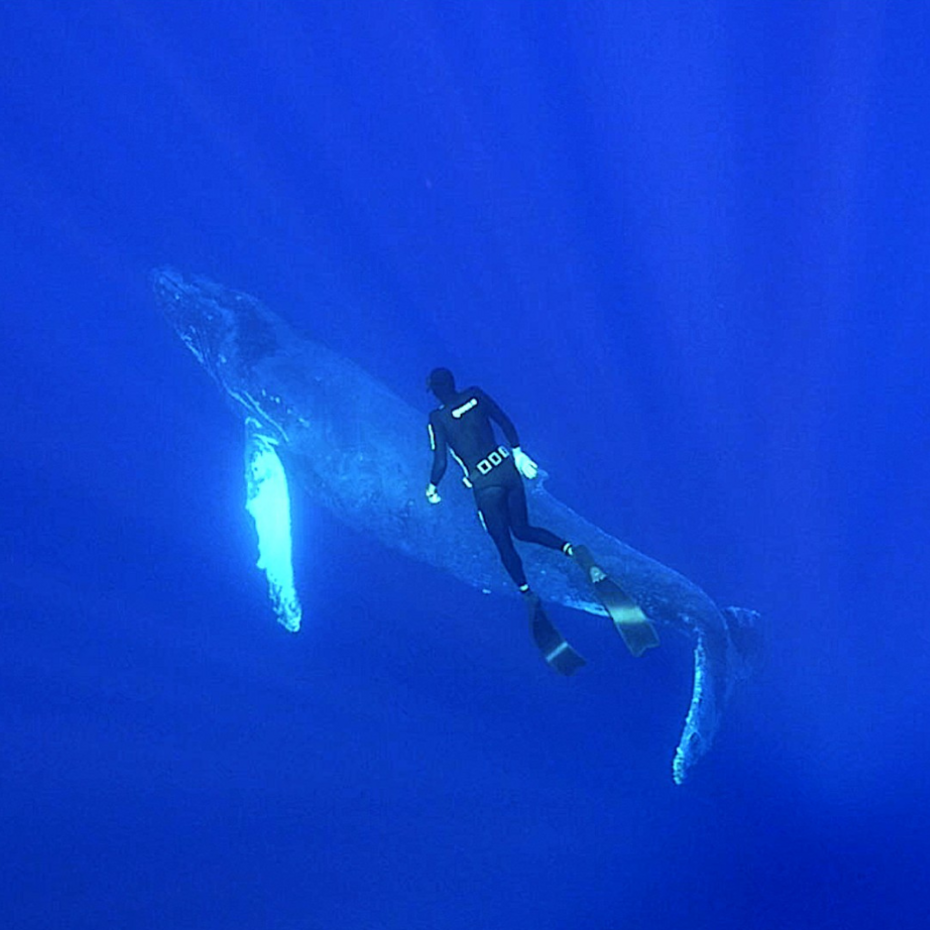

In my sport, pressure equalisation when you dive down into the water can cause particular difficulties. On the way down to the depths, the air in your body is compressed – both in your lungs and in your middle ear. The eardrum separates the outer auditory canal from the middle ear. So as not to injure it, you equalise the pressure, which ensures that air is squeezed out through the eustachian tube into the middle ear, to counteract the negative pressure.
If you have a cold, allergies or a build-up of mucus, it is not possible to equalise the pressure, so diving down would result in an eardrum injury. The paranasal sinuses are also air-filled cavities that can cause problems when you dive.
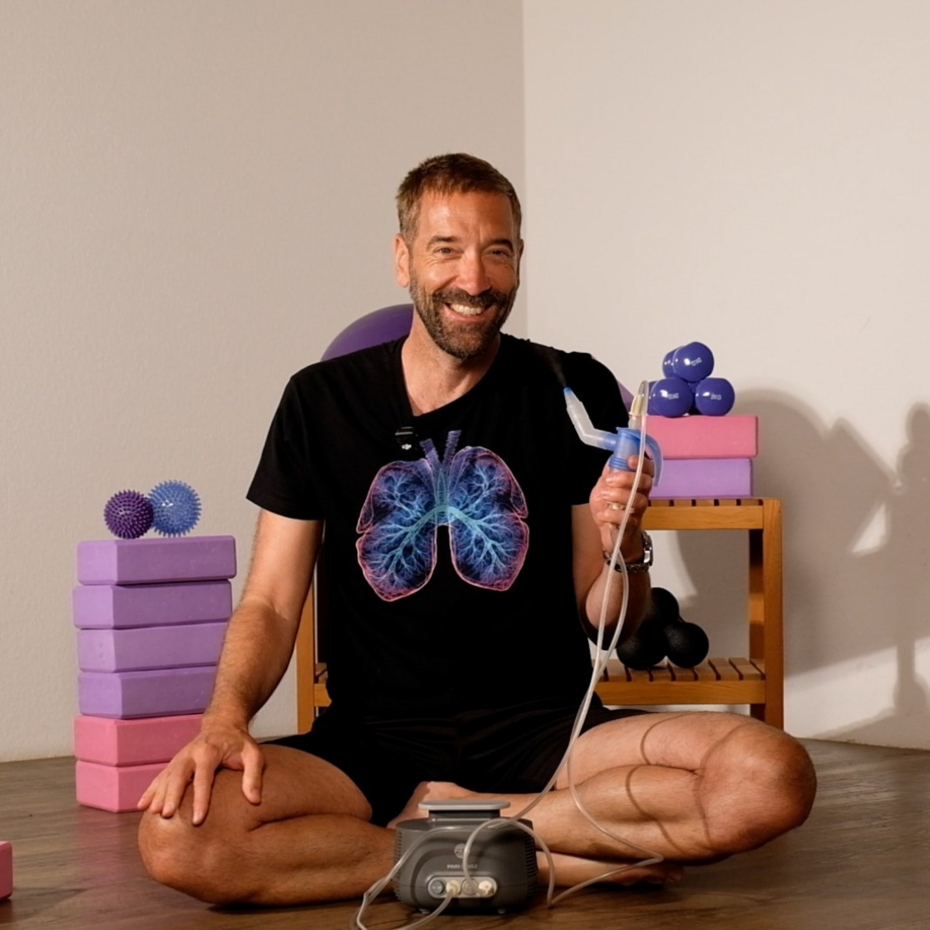
I discovered the PARI SINUS2 for myself when I started getting problems with diving again. When I descended, I felt pressure on my forehead and going down deeper was painful. Problems with the sinuses can be persistent, which was very unpleasant at this point. I was in the middle of a very demanding course which involved daily deep dives.
As a positive thinker, every evening I assumed that things would be fine the next day. But they weren’t. It was only when I unpacked the PARI SINUS2 and combined my breathing exercises with inhalation that I soon noticed an improvement. The fine aerosols appeared to dilute the thick mucus and to carry it away. What would otherwise have made diving either difficult or impossible for weeks, literally melted away in no time.
From that point, I made a habit of always looking after my airways and integrating the PARI into my breathing routine. Since then, I have not had any more difficulty with my sinuses and I have fewer problems equalising the pressure in my ear than I used to. And what is more important: When I exercise, I can take deeper breaths, I find it easier to breathe through my nose at night and I sleep better.
Nik Linder holds several world records in under-ice distance diving and has broken several national freediving records. The enthusiastic lake explorer was the first person to swim around Lake Constance without support. Nik works as a breathwork and relaxation trainer and has developed a relaxation method called “Relaqua” which is deeply rooted in freediving, respiratory yoga and mindfulness. As an author, speaker and freediving trainer, he works primarily in German-speaking countries, but also travels all over the world.
Note: The statements made in the report are the individual view of the persons reporting. They do not necessarily reflect the PARI view or the general state of science.
