In freediving, the diving equipment is kept to a minimum. The most important organ is the lungs. Nik Linder explains how to train your lungs as effectively as possible.
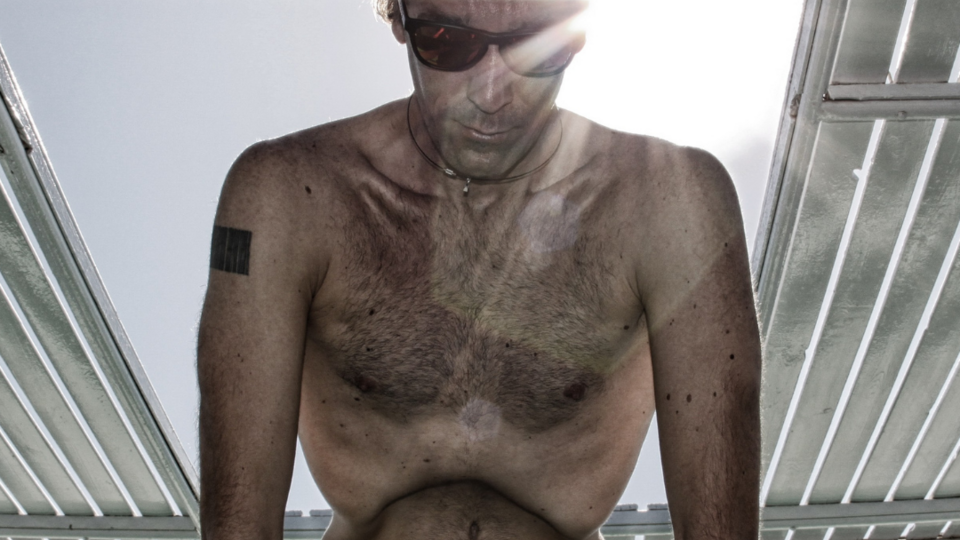
Before Nik Linder became a freediving coach, he was a scuba diving instructor. You need a lot of equipment to explore the oceans, lakes and rivers: a diving tank filled with compressed air, a diving regulator (while it does not regulate your breathing, it reduces the air compressed to 200 bar to a breathable ambient pressure) and a buoyancy compensator that can be filled with air to let you float at different depths. Then you also need your mask, snorkel, a wetsuit, flippers and a lead belt, as you do with freediving.
With freediving your equipment is reduced to a minimum. The less supportive equipment you have, the more you have to rely on your own fitness. The most important organ you have for this is your lungs, or more specifically your airways. While diving regulators have to be regularly maintained and compressed air cylinders have to be TÜV tested, where they are cleaned, inspected and brought up to scratch, lung care is voluntary and up to each individual. Nik Linder explains how best to train your lungs.
Header: Phil Simha
Breathing through your nose, alternate nostril breathing, nasal douches and a nebuliser system like the PARI SINUS2 help keep the nose moist. This helps transport secretions out of the body, making it is easier to breathe through your nose. Nasal breathing not only moistens the air, but also has an important filter function whereby dirt, pathogens, pollen and much more are trapped by the cilia and cannot reach the lungs. The nose also raises the temperature of the air as it enters the body. This protects the lungs and so you are less likely to catch a cold.
I try to breathe through my nose when I exercise, especially outdoors and particularly when it's cold. Firstly, because of the filter function, warming the air I breathe and because it means my mouth doesn’t get dry. And secondly because my breathing muscles have to work harder because I have chosen a narrower respiratory path through my nose. So it trains my lungs. In my first blog “What does breathing mean to me” I have already described how important my PARI SINUS2 is to me to keep my airways in good shape and how it helped me manage my sinus problems.
As a freediver you spend a lot of time underwater holding your breath. But to stay under that long, your breathing and respiratory training have an especially important role to play. I am often asked about the size of my lungs, which – while they are actually very large – is not what determines how long and deep I can dive. Tall people like me tend to also have large lungs.
What is important is not how large your total lung capacity is, but how large the proportion is that you can actively use. In everyday life, our respiratory centre controls our breathing. It is the CO2 level that is particularly important here. So if I am exercising or working physically, I have to breathe more; and when I sleep, I breathe more calmly. With normal breathing you are moving only a very small amount of air back and forth. The “tidal volume” is only around 0.5 to 1 litre. This is plenty for our bodies; the oxygen saturation is over 90% and we have everything we need.
But we still have what we call a reserve volume that generally goes unused. We have the inhalation reserve – the inspiratory reserve volume – and the exhalation reserve, the expiratory reserve volume. To better use the lung capacity, we freedivers use breathing exercises from the Pranayama, the part of yoga that deals with breathing. While the main point is to steer energy by breathing, we use the exercises to tap into extra useable volume and to train the breathing muscles.
To breathe in deeply, it is important to master abdominal breathing. To do this, you put your hand on your relaxed belly. As you breathe in, your belly moves outwards and in as you breathe out. The specifically activates the diaphragm. This is the main muscle we use for breathing. It ensures that the air is drawn into the lungs and is then breathed back out again. Belly breathing has two distinct advantages: It calms and relaxes while at the same time you can only breathe in fully if you are able to breathe from your abdomen first.
If you can manage belly breathing, the next step is full breathing. Here, you keep breathing into your belly until there is no more space left. Then you fill your chest in the same breath, so that your lungs are 100% filled. If you are filling your lungs like this for the first time, you will initially find the feeling crushing. The more you practise full breathing, the easier it is and the easier you will find it to breathe. What is important is that you breathe out slowly so that you don’t unwittingly hyperventilate – which, among other things, can make you feel dizzy.
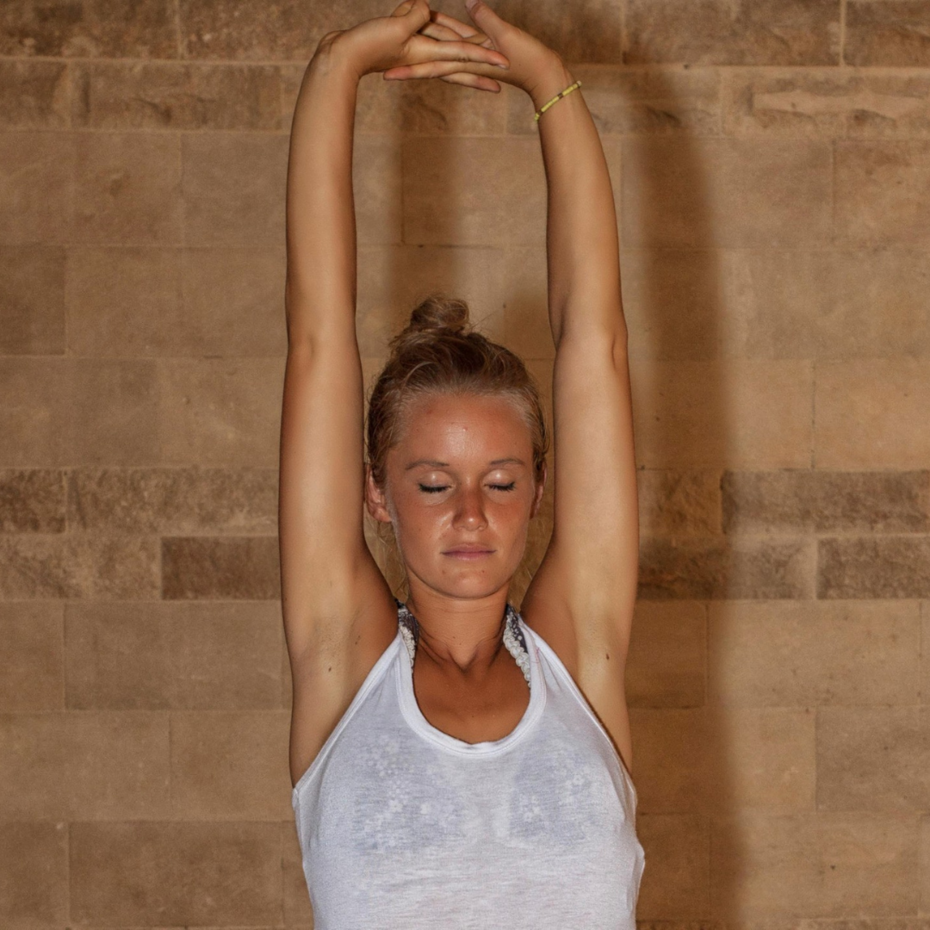
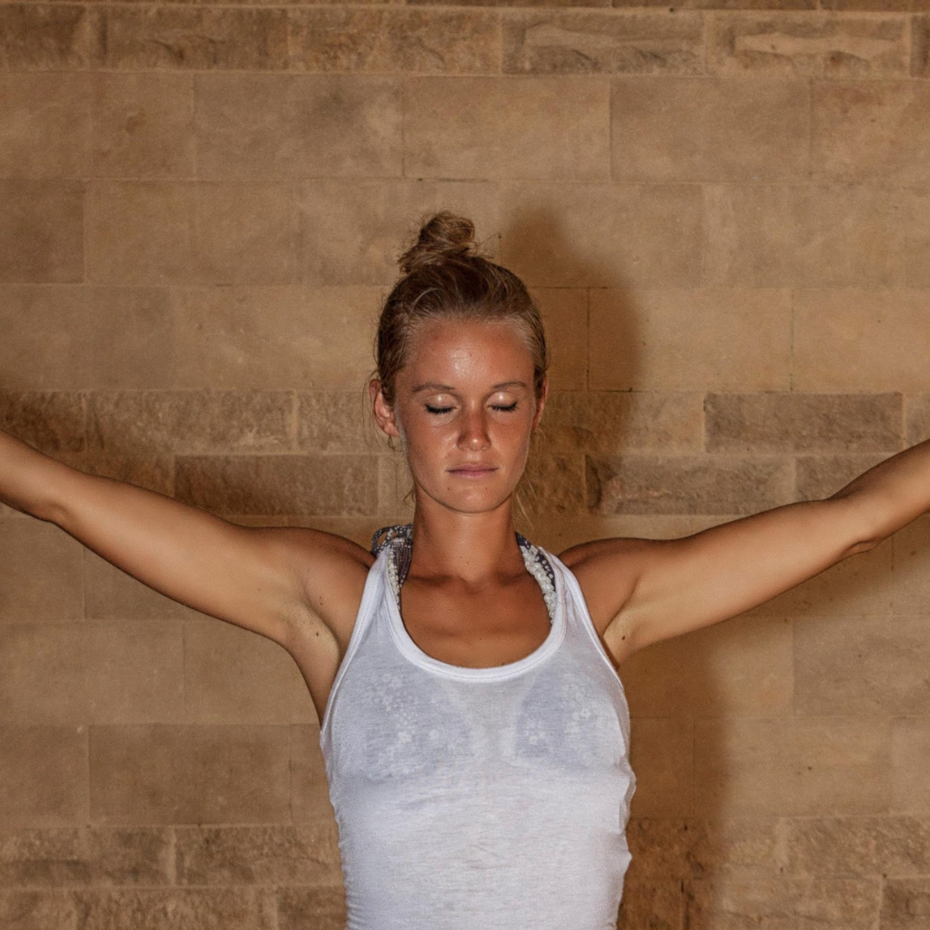
With freediving it is important to get plenty of fresh air into your lungs with the last breath, so that you can dive as long as possible. With scuba diving you breathe the air from the compressed air cylinder; with freediving, oxygen is released into the blood after inhalation. To use as much of this inspiratory reserve volume as possible, I recommend the “charging exercise” from the Pranayama.
This specifically activates the intercostal muscles. These are tasked with widening the chest so that plenty of air can be inhaled. The more you practise this exercise, the easier it is and the easier you will find it to breathe.
There are various factors involved in total lung capacity:
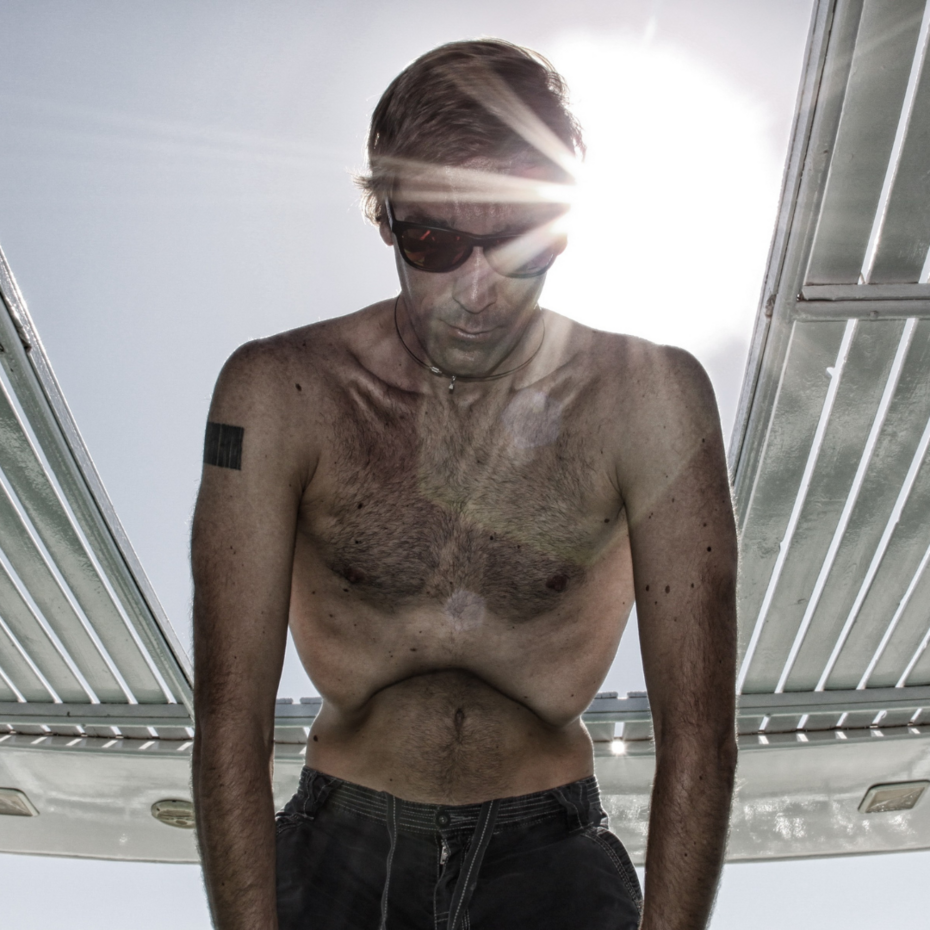
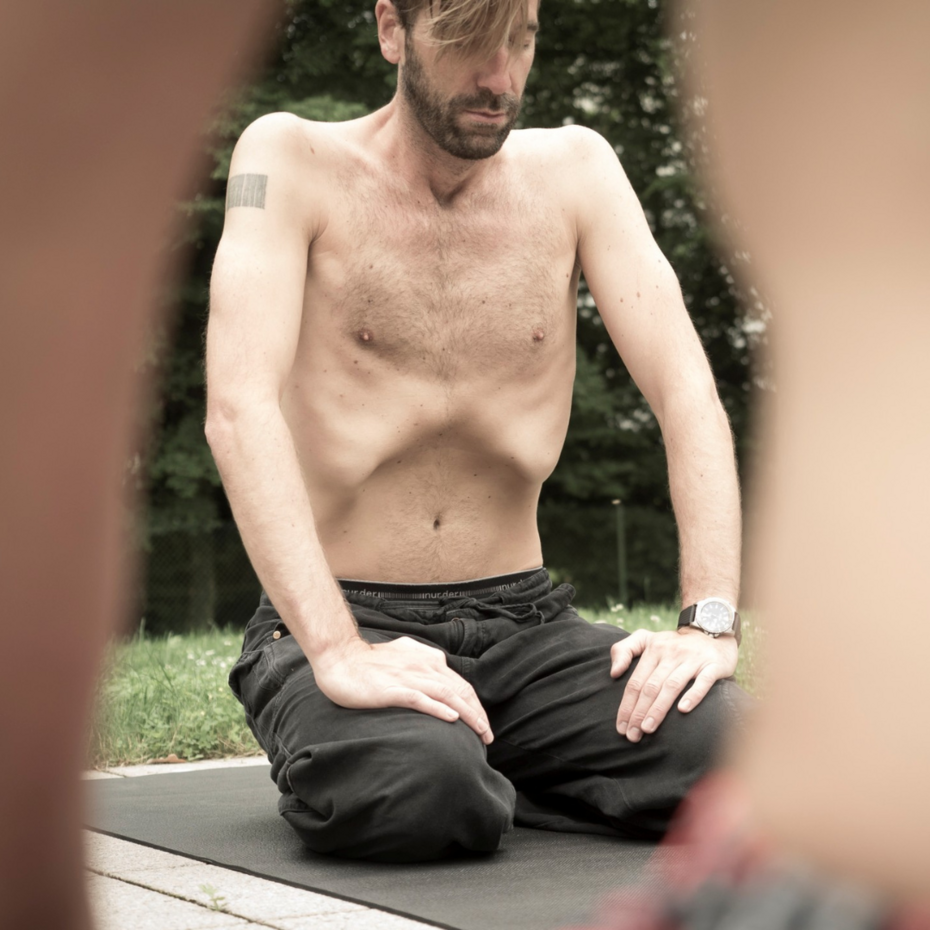
The total capacity minus the residual volume is the vital capacity – the usable volume of our lungs. Even if the size of the lungs does not play a particularly important role, freedivers are very good at getting as much vital capacity as possible from their total lung capacity. To now exhale as much air out of the lungs as possible, so only a minimal residual volume remains, there is an exercise called the “upward flying lock” or “Uddiyana Bandha” in the Pranayama.
Uddiyana Bandha requires flexibility of the diaphragm and admittedly takes some getting used to. Not everyone finds this breathing technique pleasant from the outset. But with a little practice you can get used to this feeling of a vacuum and you will gain more capacity.
In my breathing courses, I occasionally have participants who, due to respiratory diseases, no longer have full lung capacity. Many use the exercises from my breathing courses to exploit as much vital capacity from the volume they do have available. They are usually enthusiastic about how well they can still breathe with the right breathing techniques. Breathing exercises can alleviate shortness of breath, respiratory distress, and many other symptoms; they also boost self-efficacy and awareness so you don't get out of breath so quickly.
Every time we do a breathing exercise or we just become aware of or observe our breathing, we switch from unconscious to conscious breathing. So although it is very useful to tap into our lungs’ unused capacity and so be able to breathe better, conscious breathing can achieve so much more. If you use your breathing consciously, you can do a lot for your wellbeing. You will find out how to do that in my next blog entry called “Putting the fun into breathing”.
Nik Linder holds several world records in under-ice distance diving and has broken several national freediving records. The enthusiastic lake explorer was the first person to swim around Lake Constance without support. Nik works as a breathwork and relaxation trainer and has developed a relaxation method called “Relaqua” which is deeply rooted in freediving, respiratory yoga and mindfulness. As an author, speaker and freediving trainer, he works primarily in German-speaking countries, but also travels all over the world.
Note: The statements made in the report are the individual view of the persons reporting. They do not necessarily reflect the PARI view or the general state of science.
