The physiotherapist Nina Holtkamp on respiratory therapy in babies, children and adolescents – and how parents can support their children in their daily treatment routine.
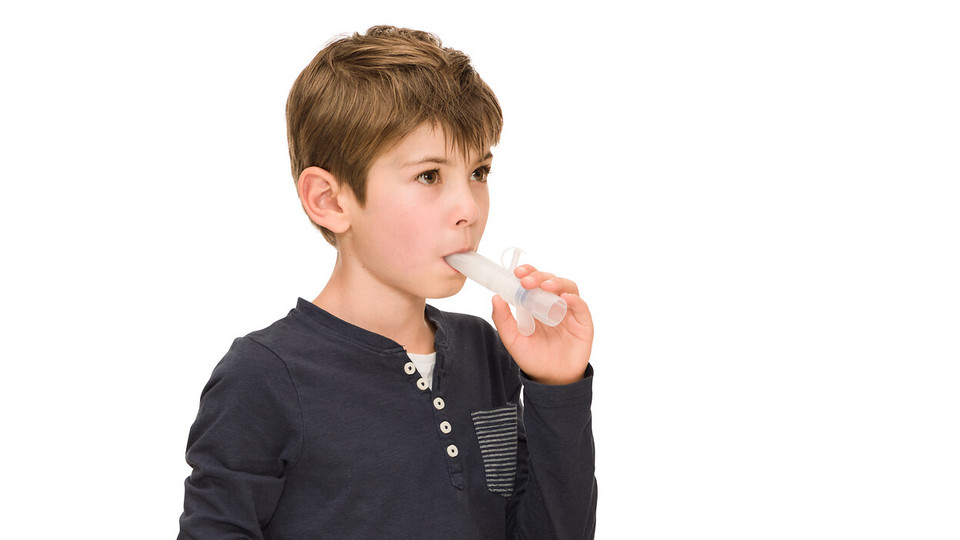
Respiratory therapy is a daily routine for children with chronic and acute respiratory diseases. Physiotherapist Nina Holtkamp specialises in treating infants, children and adolescents with respiratory diseases. In an interview, she explains which diseases she comes across in her practice, why inhalation therapy plays a central role and how parents can best support their children with their daily treatment routine.

Nina Holtkamp: I most often treat children with obstructive respiratory diseases such as bronchial asthma, chronic bronchitis or bronchiolitis. But I also have patients who have cystic fibrosis, neuromuscular diseases, patients who were born premature with immature lungs and children after severe infections or longer hospital stays.
Nina Holtkamp: Children are not “small adults”. Their attention span, body awareness, and ability to cooperate vary greatly depending on their age and stage of development. It is a major challenge to teach them about the therapy through play, while still working effectively. Then emotional factors such as fear, anxiety or previous negative experience also play a major role. And working with the parents is important too. They have to be singing from the same hymn sheet to ensure the child receives the best therapy.
Nina Holtkamp:Inhalation therapy is a core component of respiratory therapy. However, the approach depends on the child’s age. In infants, the inhalation therapy is passive. I explain the most important points to the parents and check these points regularly.
If the child is over a year old, I try to get them used to inhalation through play and explain it to them in a way they can understand. Sometimes children already use inhalation therapy and then we work together to see if we can optimise the therapy.
Nina Holtkamp: Inhalation therapy mobilises the secretions and makes them easier to clear. Respiratory physiotherapy techniques such as PEP therapy or autogenic drainage can reinforce these effects. In my experience, children can cough up phlegm much more effectively after inhalation therapy and the therapy is less strenuous and more effective overall.
This makes inhalation therapy very beneficial for acute respiratory diseases such as bronchitis or a nasty cold. If the infection involves a cough with phlegm, inhalation therapy can also help loosen and mobilise the secretions. But it is also an important component in mobilising secretions effectively for many patients with cystic fibrosis.
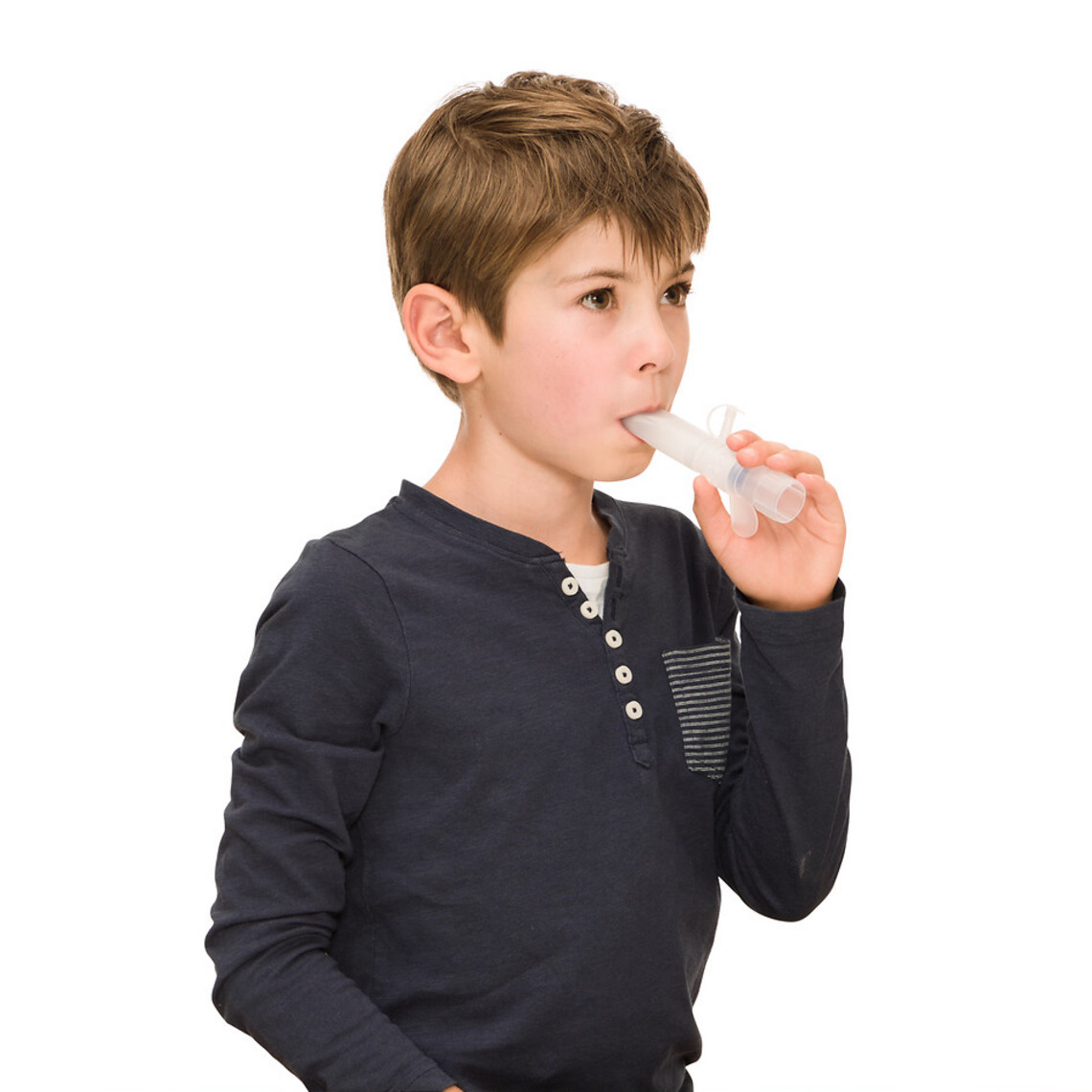
Nina Holtkamp: I mainly use PEP therapy in children who have problems with secretions and unstable airways. It is important that the child is given age-appropriate instructions and that they can tolerate the device. As is almost always the case, I also try to guide them through PEP therapy in a child-friendly way.
Nina Holtkamp: The most common mistake is that the mask does not fit snugly. This is why it is important when you are choosing a nebuliser to ensure that the inhalation device comes with baby and child masks – such as the PARI BOY Junior.
The most important tip: make the inhalation therapy a positive experience. Because this is part of everyday life for many children. Sometimes stickers help – for example, the child can stick it in an inhalation reward book after inhalation therapy.
Another important tip is routine: Inhalation therapy should be like cleaning their teeth. A suitable daily routine can help.
And tip three: Avoid putting pressure on the child. Not every inhalation session is perfect and sometimes it doesn’t work at all. It is important to stick at it and to keep trying... especially if the inhalation therapy has a positive effect.
Nina Holtkamp: This happens a lot. I incorporate it into their treatment routine through play. Role play, soft toys or doing inhalation therapy together with parents can often help. My goal is to reduce the stress and take the pressure away. Because only a child who is relaxed is going to be able to have an effective inhalation therapy.
Nina Holtkamp is a physiotherapist specialised in respiratory physiotherapy in infants, children and adolescents. In her daily clinical practice, she supports children with acute and chronic respiratory diseases and their families. She is particularly focused on child-friendly, age-appropriate and anxiety-free therapy.
Note: The information in this blog post is not a treatment recommendation. The needs of patients vary greatly from person to person. The treatment approaches presented should be viewed only as examples. PARI recommends that patients always consult with their physician or physiotherapist first.
