Nik Linder has been a freediver for almost ten years. In this post, he discusses problems with equalising – and what you can do about them.
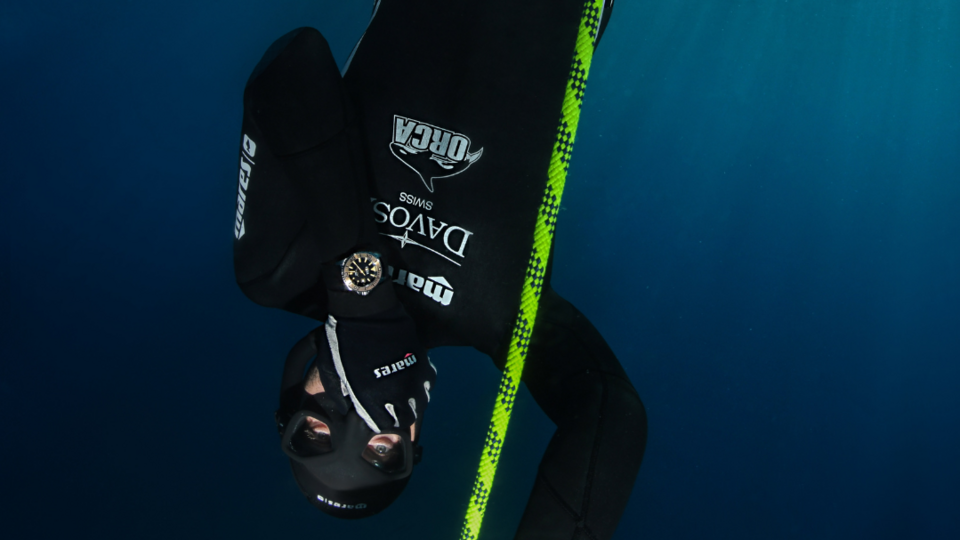
Whether you are snorkelling only a few metres deep or are freediving at great depths, pressure equalisation has to work well. Freediver Nik Linder explains how it works and what can help.
Header: Ivana OK
It’s another one of those days where everything seems possible. Our diving boat is basking in the sun and rocking gently back and forth. As always, the water in our dive site in Turkey is deep, clear and calm. The mountains around us here at the Turkish Aegean near the port town of Selimiye protect us from the wind; there is hardly a breeze, and therefore hardly any waves. Perfect conditions to dive deep by the buoy.
After my relaxing belly breathing at the buoy, I take a deep and full breath and equalize the pressure for the first time when I am still at the surface. Then I set out to tackle the first few metres of my planned 50-metre dive. But it all goes wrong after just a few metres. The pressure equalisation in my right ear is not working and I have to give up on the dive. Even as a professional diver, you are not spared problems with pressure equalisation.
No matter whether you have diving equipment or not: when we dive, the pressure our body is exposed to increases by one bar for every ten metres depth. Air-filled hollow spaces like the lungs, the middle ear, the forehead and the sinuses are compressed. The diving mask also squeezes harder against your face as you go deeper.
The eardrum separates the water-surrounded outer ear from the air-filled middle ear. The mouth and throat are then connected to the middle ear through the Eustachian tube. As we dive deeper, the air in the air-filled inner ear compresses and the eardrum is squeezed inwards. When we hold our nose and breathe out, we can feel the air being pushed into the middle ear to equalise the negative pressure. This allows you to dive deep safely and painlessly.
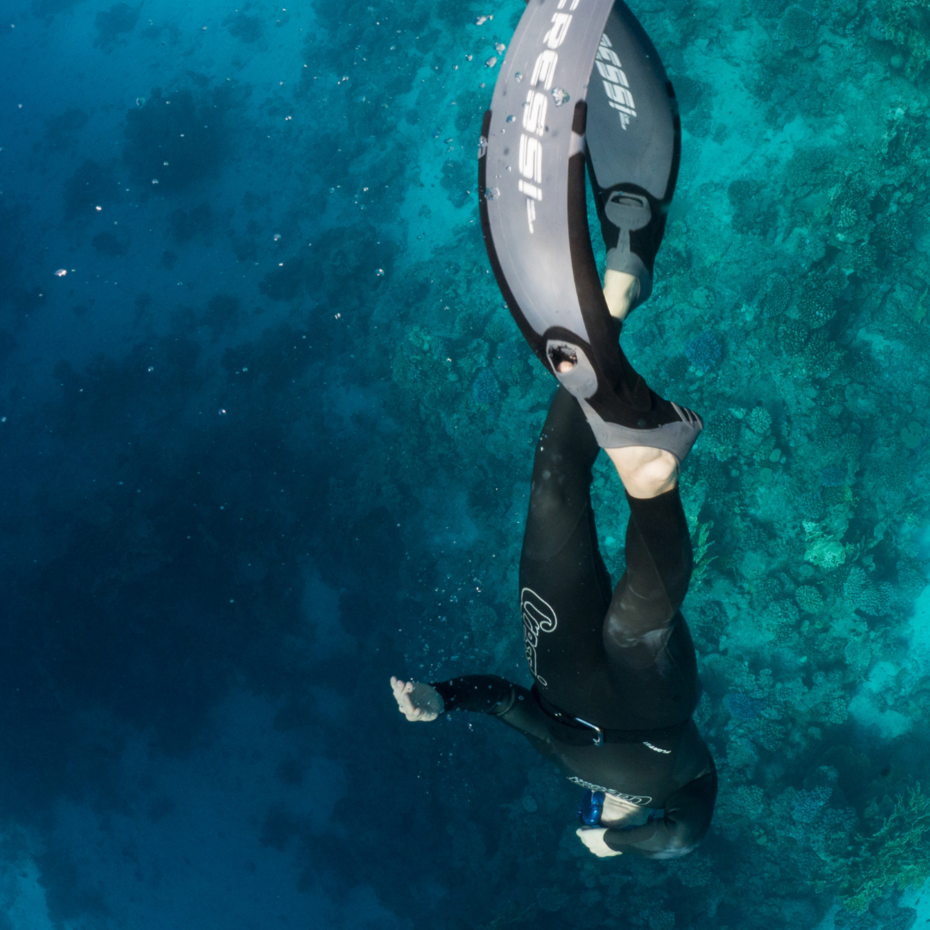
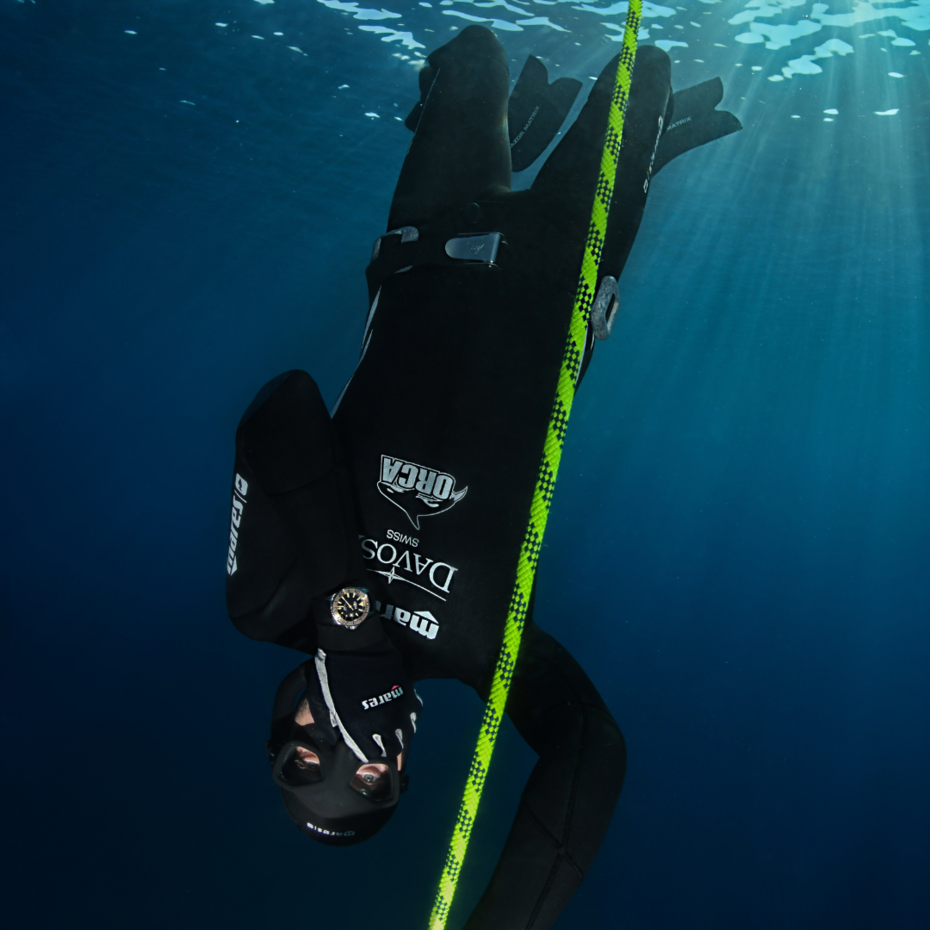
Unlike diving with a device, our lungs compress with freediving. This is because we do not have a breathing device to keep refilling our lungs with air. From a depth of 30 to 40 metres, the lungs therefore reach their residual volume – the smallest possible volume. Now there is no more air available to equalise the pressure in our ears. To go down even deeper, advanced freedivers use a technique that allows them to work with two separate air containers – the lungs and the mouth and throat.
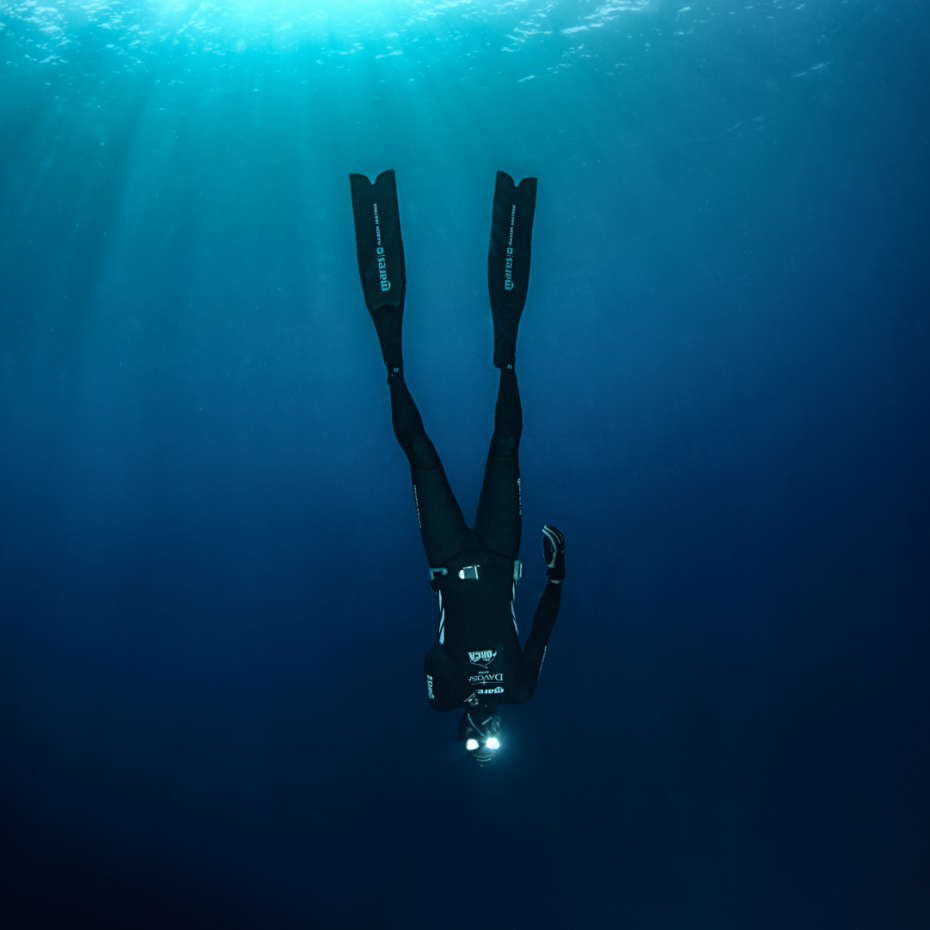
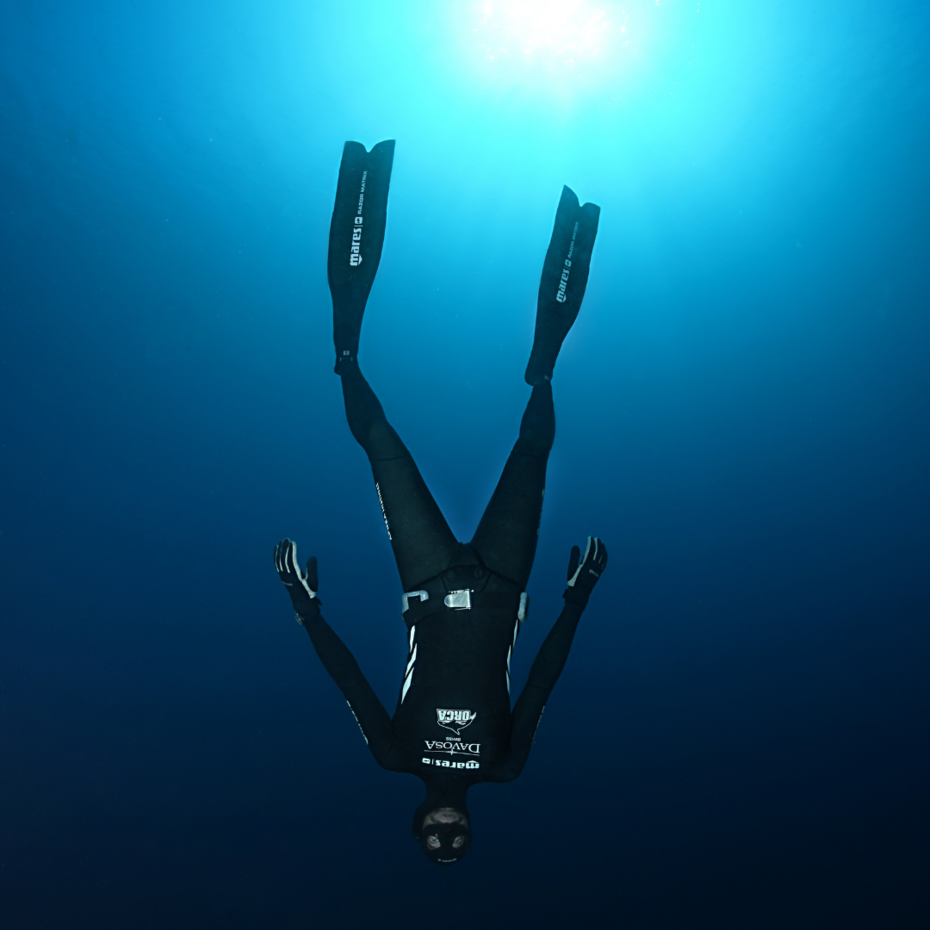
For most freedivers, it is not so much the lack of oxygen that means they can’t go any deeper - it is the pressure equalisation that is the problem. To allow them to dive down even deeper, divers are very interested in tips and training to make pressure equalisation easier for deep diving. So most advanced freedivers are real experts when it comes to pressure equalisation. While you don’t run into as many problems with pressure equalisation with scuba diving than you do with snorkelling or freediving, when you do encounter a problem, it is just as annoying.
The following tips from freediving athletes help to avoid problems with pressure equalisation – whether you are scuba diving, freediving or just want to go snorkelling on holiday:
With freediving, the first pressure equalisation is at the surface. To do this, use your thumb and index finger to squeeze your nose and breathe out with your nose blocked. You will hear a crackling or cracking sound or another kind of sound in your ear. As you do this, try to relax your abdomen and loosen your jaw. You only have to do the pressure equalisation during descent. When you go back up, your ear equalises the pressure on its own.
Diving masks have a nasal valve because the air inside the mask also squeezes against your face when you dive. Breathing out through your nose then balances out the pressure in the mask.
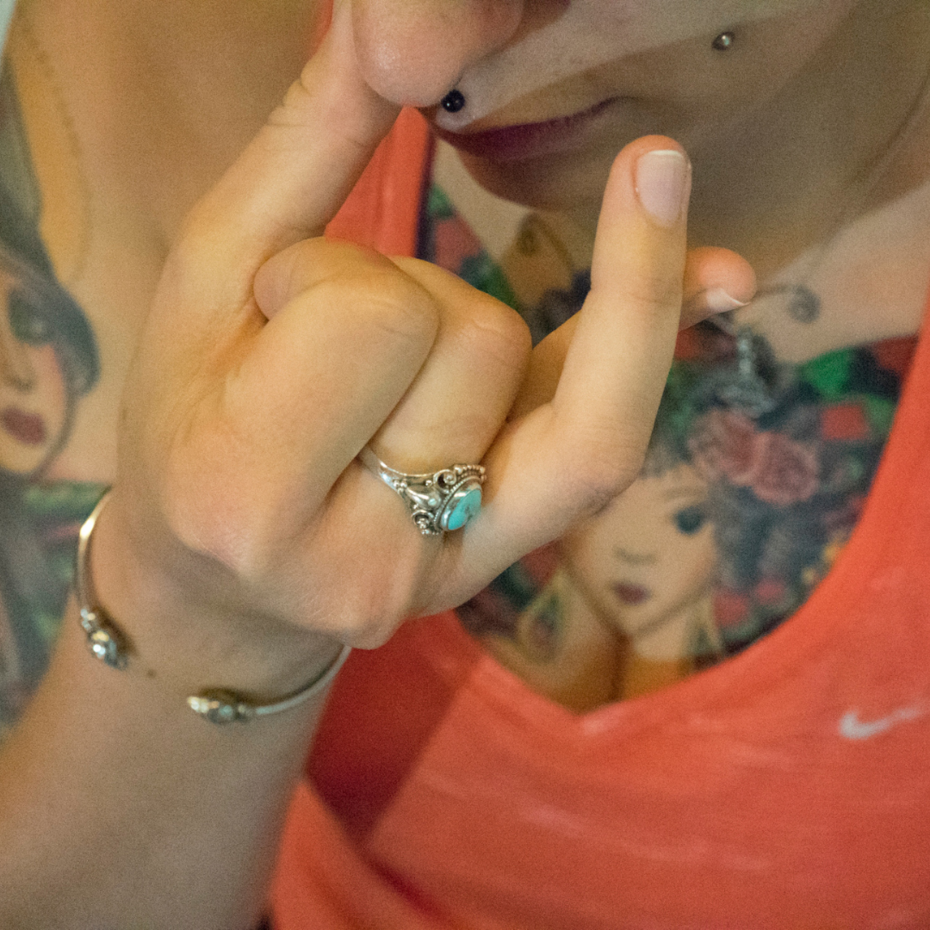
Major problems you will encounter on the flight to your destination are the dry air in the airplane as well as the air conditioning in your hotel room. The dry air also dries out our nasal mucous membrane. This then makes you more susceptible to a blocked nose. There are various exercises that help if this happens. Carefully massage your nose with your thumb and index finger – the circulation to your nose is improved and the mucous membranes in your nose are moistened. It is much easier to breathe through your nose when it is moist. A moister nose is also more efficient at removing mucus.
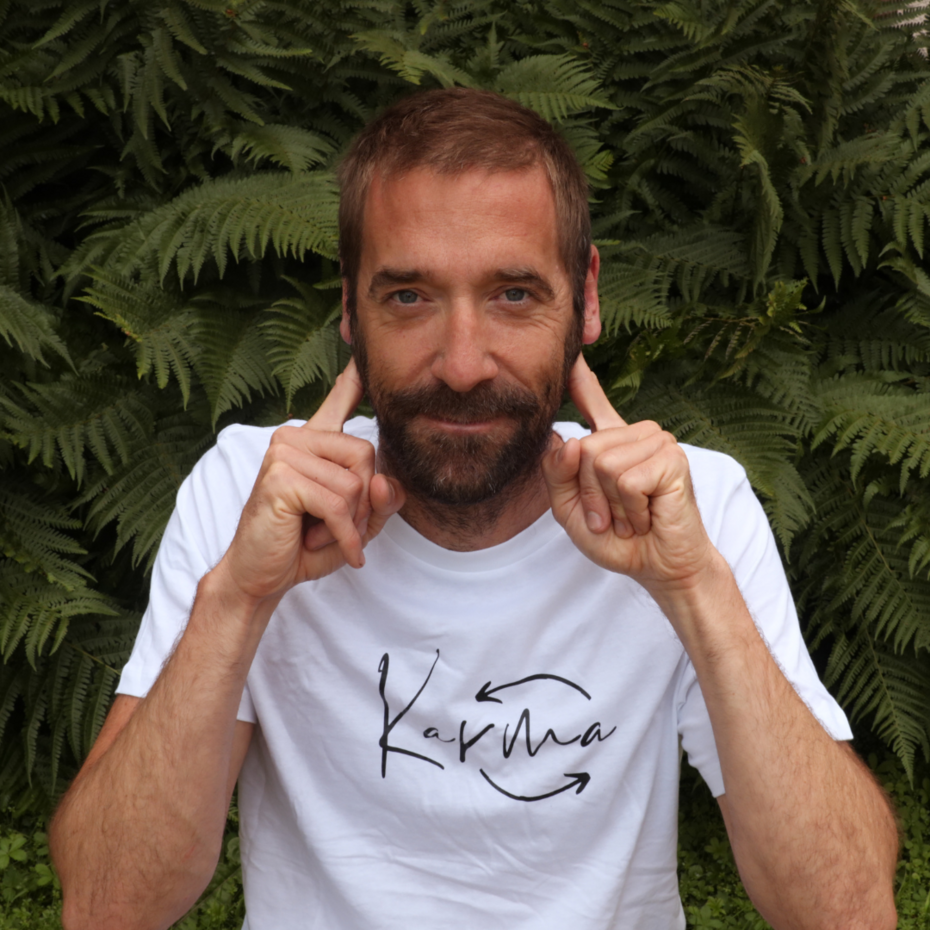
Just as you massage your nostrils, you should also massage your ear once you have finished. To do this, run your thumb and index finger down your outer ear and finish off by massaging the small hollow at the bottom behind your ear with your index finger. After a few minutes of this soothing massage, you will have boosted the circulation to your ear and it will be easier to equalise the pressure.
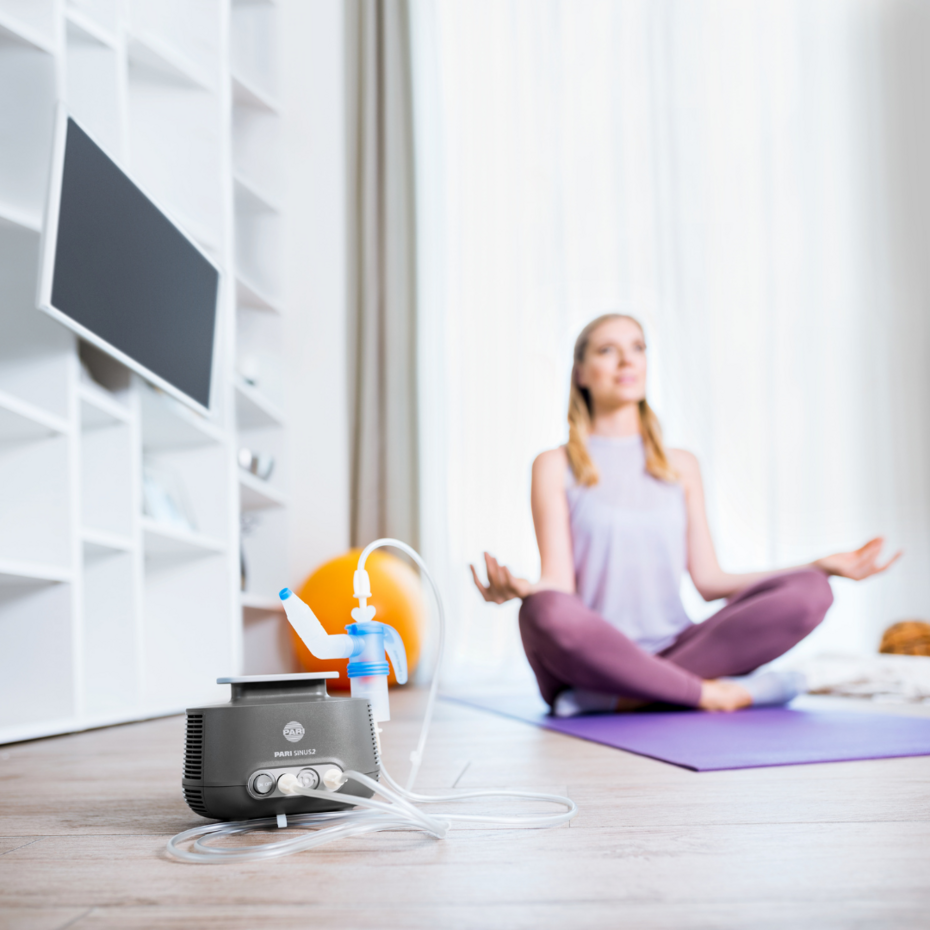
Allergies such as hay fever or a build-up of mucus can cause the nose to become blocked or irritated and in the worst case the sinuses can also be blocked. In this case, you can either use a nasal douche or the PARI SINUS2.
The cilia in the nose catch pollen, pathogens and much more when you breathe through your nose. A nasal rinse with a saline solution cleans the nose. It is more problematic if the sinuses are blocked. I use the PARI SINUS2 nebuliser system to tackle this issue. It ensures that the finest aerosols make their way into the paranasal sinuses.
If we inhale this fine mist, the dispersed saline solution directly reaches the mucous membranes in our airways. Why is that so important? The mucous membranes in our airways act as a first line of defence against intruders such as viruses, pollen and other pathogens. If the mucous membrane is compromised by dry air or cold, these intruders have it easy.
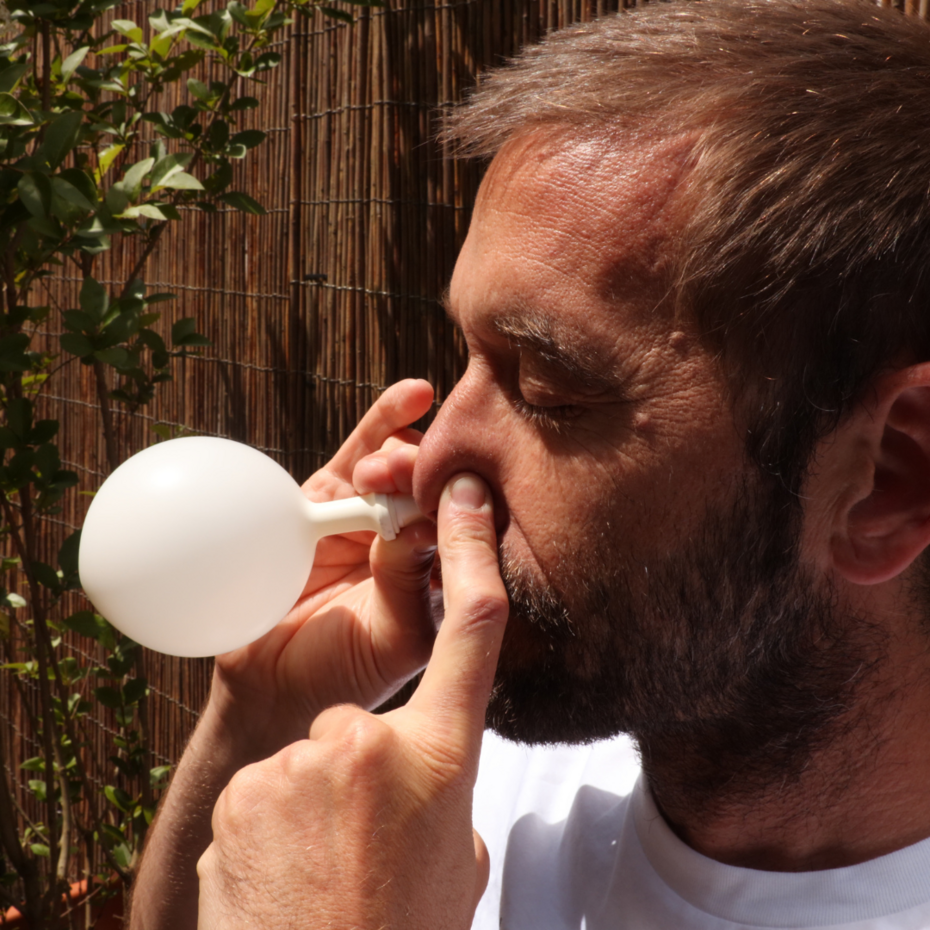
Some divers have narrow Eustachian tubes. This means that they always have difficulty with the same ear when it comes to equalising the pressure, or with both ears if both tubes are narrow. These narrow tubes are especially problematic for freediving and snorkelling. This is because a narrow tube and the great speed of descent mean that they are blocked very early on.
You can widen the tube by doing a little gymnastics with it. Firstly, you can occasionally practise the pressure equalisation manoeuvre on dry land in preparation for a diving holiday or diving session. The Eustachian tubes are widened even more effectively if you use an “Otovent” device, while simultaneously equalising the pressure by blowing out with your nostrils pinched. Even though the tubes are cartilage, they are still moved by a muscle which you can train.
One of the most common causes for problems with pressure equalisation is nervousness, uneasiness and stress. If I am not feeling well and am tense, the pressure equalisation can become a problem. Being excited about a dive can cause just as much stress as being afraid and anxious that it is too overwhelming. This is why you should only do the dives you feel confident to do. Before you enter the water (or at least before you dive down), you should also calmly be belly breathing to lower your pulse and to relax both physically and mentally – just as I did with my freedive in Turkey.
Nik Linder holds several world records in under-ice distance diving and has broken several national freediving records. The enthusiastic lake explorer was the first person to swim around Lake Constance without support. Nik works as a breathwork and relaxation trainer and has developed a relaxation method called “Relaqua” which is deeply rooted in freediving, respiratory yoga and mindfulness. As an author, speaker and freediving trainer, he works primarily in German-speaking countries, but also travels all over the world.
Note: The statements made in the report are the individual view of the persons reporting. They do not necessarily reflect the PARI view or the general state of science.
