People with bronchiectasis have a significant build-up of mucus in their lungs. The physiotherapist Angelika von Esebeck gives advice on how people with bronchiectasis can clear their airways.
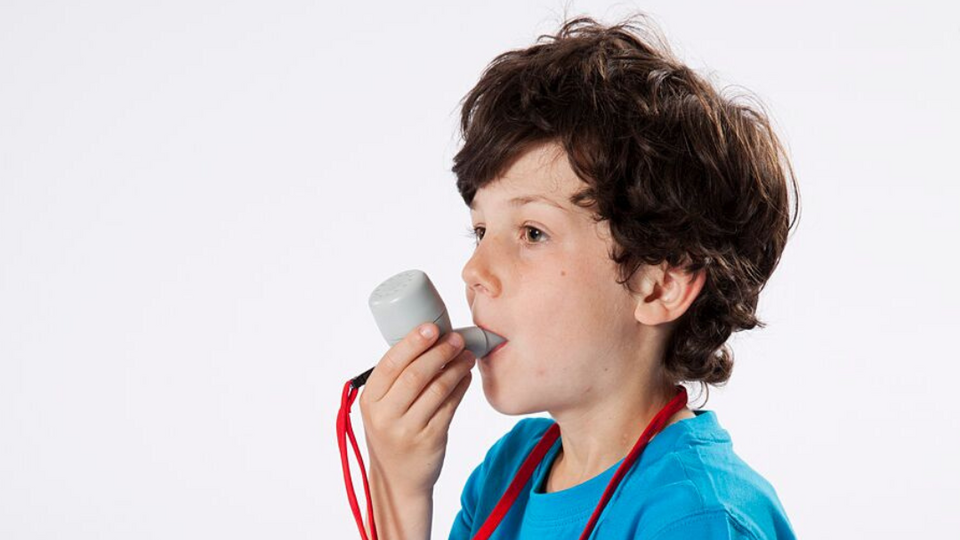
People with bronchiectasis have a significant build-up of mucus in their lungs. The physiotherapist Angelika von Esebeck gives advice on how those affected can clear secretions from their airways.
Angelika von Esebeck: The main problem with bronchiectasis is that large amounts of mucus accumulate in the bronchial tubes, which can lead to permanent widening of the airways. The main aim is therefore targeted secretion management.
The mucus makes it harder to breathe, can trigger coughing and shortness of breath, and creates an environment where pathogens can easily multiply, which can lead to inflammation. This is why an ongoing task is to clear secretions from the lungs several times a day and integrate this into a daily routine. Depending on the severity of the disease, therapy and secretion management can take up many hours each day.
Angelika von Esebeck: Targeted secretion management includes secretolysis, and mobilisation, transport and elimination of secretions. Inhalation therapy, adjusted breathing techniques such as modified autogenic drainage, the use of different PEP systems, thoracic mobilisation and chest expansion are used. Sport and exercise can support the treatment.
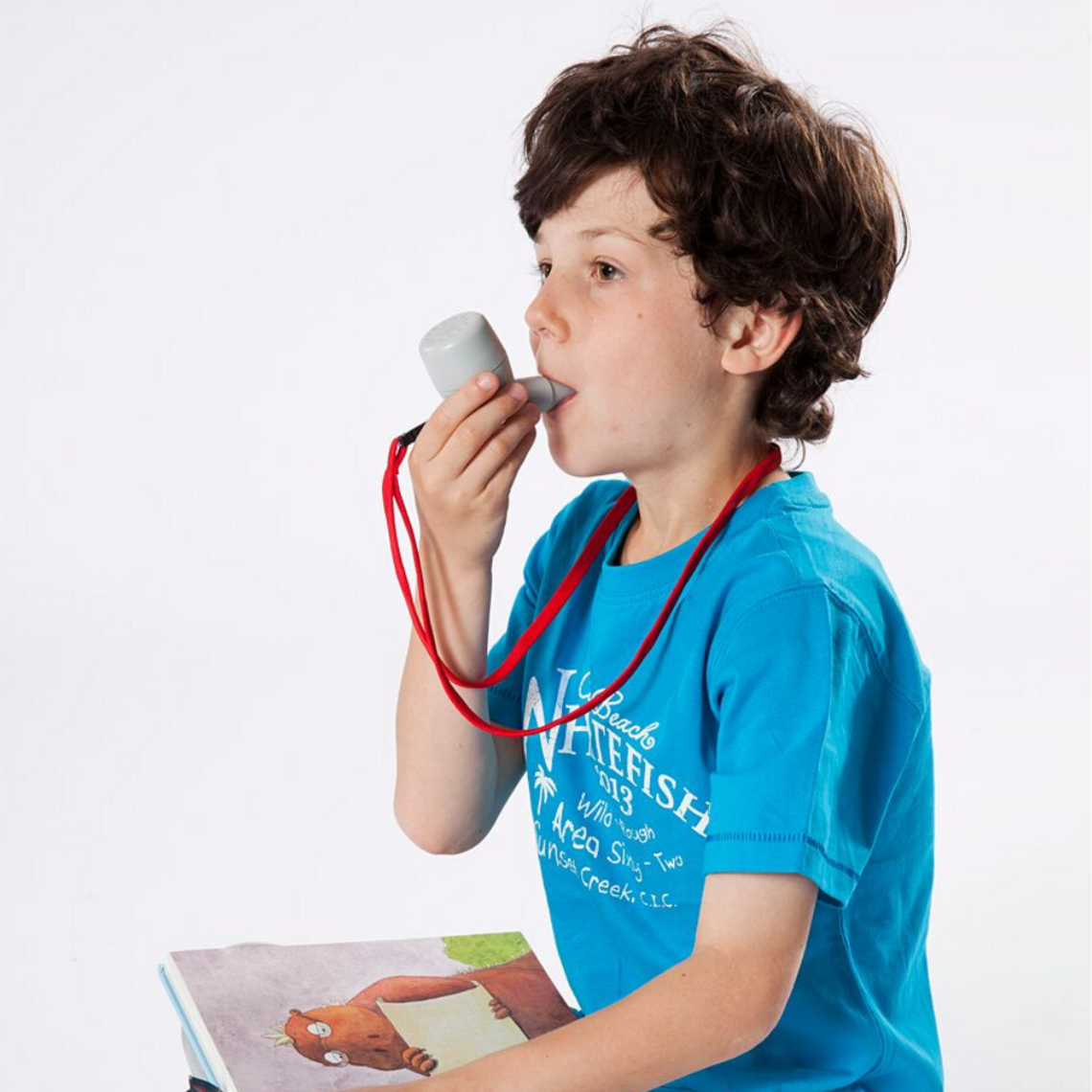
Angelika von Esebeck: Breathing techniques such as modified autogenic drainage (MAD) help mobilise secretions and transport them towards the mouth. MAD is an efficient and gentle airway clearance technique that every patient with problems clearing mucus should learn. Children learn these techniques when they are just 3 years old. Patients use respiratory therapy equipment such as the PARI PEP S System to dilate their airways and to reduce hyperinflation of the lungs. The PARI O-PEP is a helpful respiratory trainer for secretolysis. The PEP systems are small so they can be used not just at home, for example before or after inhalation therapy, but also out and about.
Integrating therapy into daily routine requires time and the courage to occasionally step away from the demands of daily life to look after your health. Some people at school or at work go to the toilet, for example, just to be alone and do their breathing techniques, so they can clear their lungs several times throughout the day. Not everyone does this. Often patients present to my practice in the evening and their lungs are hyperinflated, they are short of breath and have a thick build-up of mucus. During treatment, a large amount of mucus that has accumulated over the course of the day is cleared.
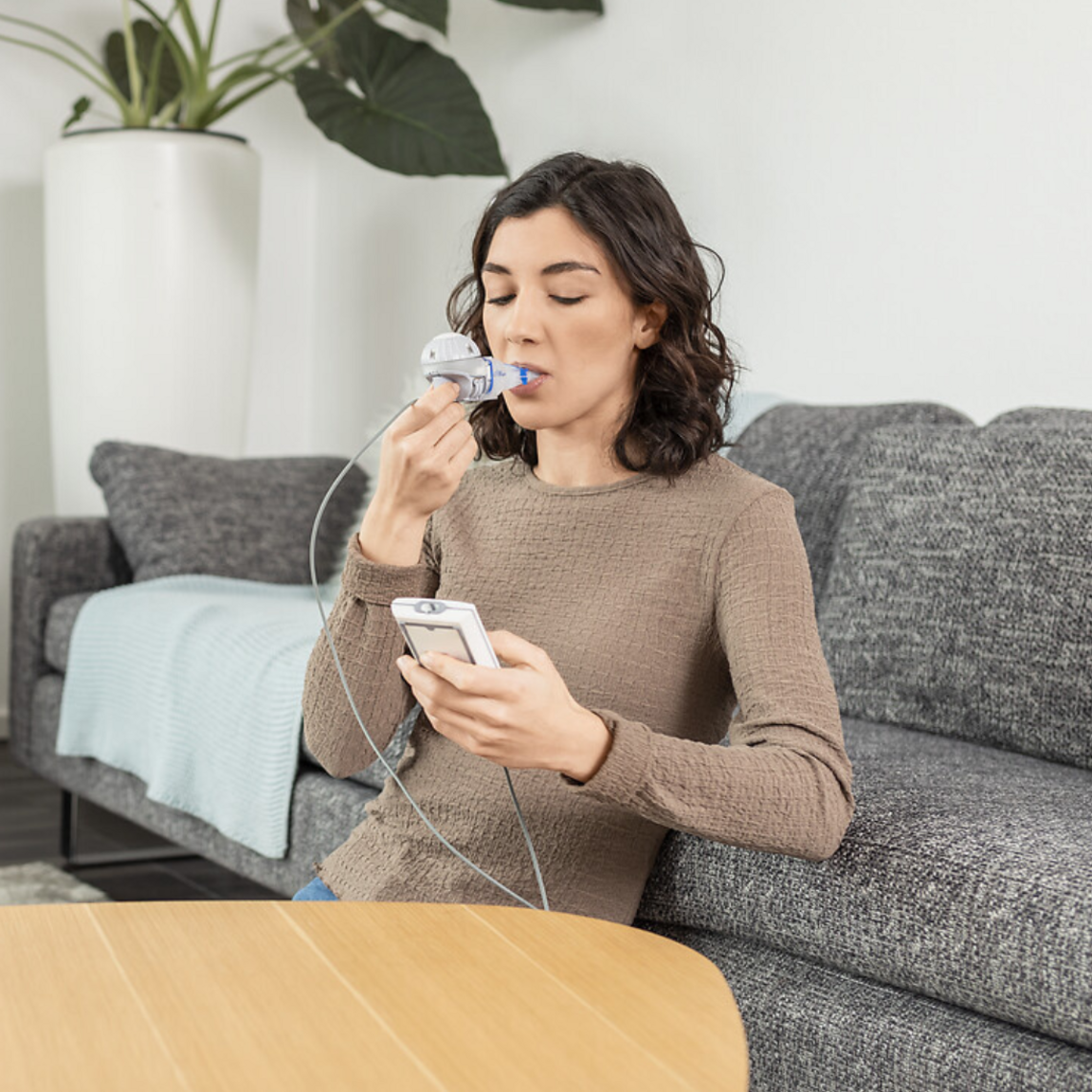
Angelika von Esebeck: Most bronchiectasis patients use inhalation therapy twice a day; if they have infections or flare-ups, it is up to four times a day. Inhalation therapy is used for secretolysis, i.e. the thinning of the mucus. The osmotic effect of hypertonic saline solution makes this particularly effective – and it is an essential step in being able to subsequently clear the airways.
Most patients use the eFlow®rapid – a nebuliser system with vibrating membrane technology, which is generally prescribed. This inhalation device is small, quiet and fast, which also makes it suitable for discreet inhalation therapy away from home. For therapy at home, patients use at least two ampoules of 2.5 ml one after another, as the inhalation time would otherwise be too short due to the high output.
Angelika von Esebeck: Patients first inhale with hypertonic saline solution and may combine this inhalation therapy with exhalation through an oscillating PARI O-PEP device to help thin the mucus. Through chest mobilisation and expansion exercises and various inhalation and exhalation techniques using different airflow velocities and expiratory resistances (Modified Autogenic Drainage combined with chest movement), patients learn to transport secretions from the peripheral areas of the lungs into the larger airways and finally remove them from the lungs by huffing or brief, targeted coughing (secretion clearance).
Angelika von Esebeck: Mobilising and expanding the chest are essential for deep inhalation and exhalation. If patients do not take deep breaths, the mucus remains trapped in poorly ventilated “dead ends”.
Slow, deep inhalation can fill even a poorly ventilated area of the lungs with air (collateral ventilation). Only if air can reach behind the stubborn mucus can it be shifted towards the mouth when the patient breathes out. The PARI nebuliser (LC SPRINT Family) with PIF control system teaches patients to inhale slowly with laminar airflow. If they breathe in too quickly, a flap closes over the air intake, creating resistance as they inhale. This biofeedback reminds the patient to inhale more slowly.
Due to the effects of gravity, lung regions that are less dependent on gravity are better ventilated, while gravity-dependent lung regions have better blood flow. Changing position helps mobilise secretions. In patients who are bedridden – for example, during a flare-up – it is essential to regularly change position to change the relationship between ventilation and perfusion. This reduces the dead space and shunt volume and boosts the oxygenation of the blood.
The chest and respiratory muscles are part of the respiratory pump. A mobile chest will help you take deeper breaths, while a stiff chest will block respiration. Strong respiratory muscles, especially the diaphragm, are very important for our respiration.
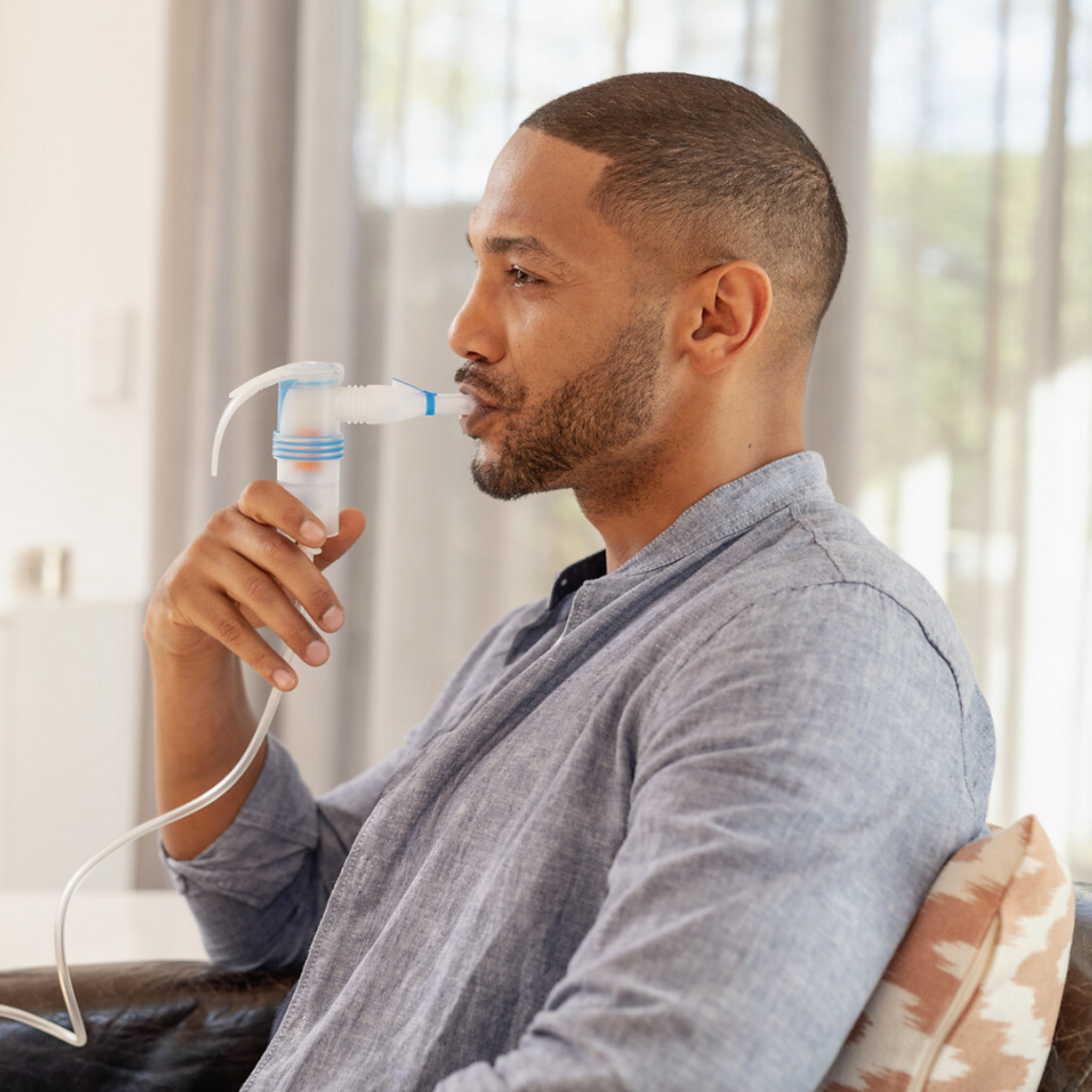
Angelika von Esebeck: Regular respiratory physiotherapy sessions in a specialised practice are beneficial as they teach targeted airway secretion management. This includes inhalation training, maintaining mobility of the chest through manual techniques, counteracting hyperinflation of the lungs, treating and training the respiratory muscles, and regularly adapting the individual therapy regimen. Patients with bronchiectasis have regular respiratory therapy appointments. Sport and exercise should supplement the therapy as these automatically make patients able to breathe deeper and increase or preserve overall performance.
Angelika von Esebeck works as a registered physiotherapist in Weßling, Germany. She specialises in the treatment of acute and chronic obstructive and restrictive lung diseases such as asthma, bronchiectasis, COPD, cystic fibrosis (CF), primary ciliary dyskinesia (PCD) and dysfunctional breathing disorders.
Note: The information in this blog post is not a treatment recommendation. The needs of patients vary greatly from person to person. The treatment approaches presented should be viewed only as examples. PARI recommends that patients always consult with their physician or physiotherapist first.
