Respiratory physiotherapy helps babies with sniffles, coughs & infections. The expert Marlies Ziegler explains how parents can support their child’s breathing.
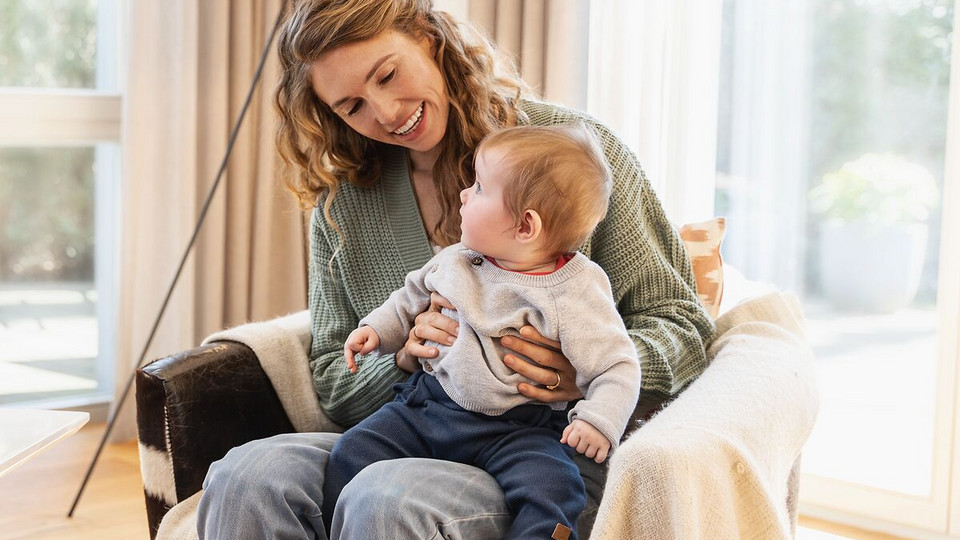
When babies have sniffles, a cough or recurrent airway infections, parents often feel worried and soon reach their limits. In these situations, respiratory physiotherapy can provide valuable support. It not only makes it easier to breathe, but can also support the respiratory system as a whole. The experienced respiratory physiotherapist Marlies Ziegler explains how parents can help their babies when they have respiratory problems.
“Respiratory physiotherapy in babies is always a sensible option if the baby has a persistent or acute critical breathing problem. This applies both to problems affecting the bronchial tubes and to difficulties breathing through the nose. This is why we treat babies with chronic and acute respiratory diseases in our practice.”
Marlies Ziegler
Respiratory therapist
Cystic fibrosis is, for example, classified as a chronic respiratory disease. If cystic fibrosis is diagnosed during newborn screening, respiratory physiotherapy starts more or less immediately. Even if modulator therapies are now available, it is important to support the family at an early stage and to teach them the basics of therapy. We also treat infants with suspected asthma, primary ciliary dyskinesia and chronic bronchitis and coach their parents.
Premature babies may also need respiratory physiotherapy, as their lungs are sometimes not yet sufficiently mature and may need support. Babies with heart defects are also referred to us. Depending on the type of heart defect, the cardio-respiratory system can affect oxygen saturation and breathing rate. Respiratory physiotherapy can help improve their endurance in these cases.
And then there are the babies who suffer from recurrent infections or those that are struggling with acute bronchitis. We treat babies in our practice and guide parents so that they can perform some of the respiratory physiotherapy exercises with their infants at home.
It is helpful for parents to initially receive guidance from physiotherapists who can show them exactly how to do the respiratory exercises. Methods that generally work well at home are:
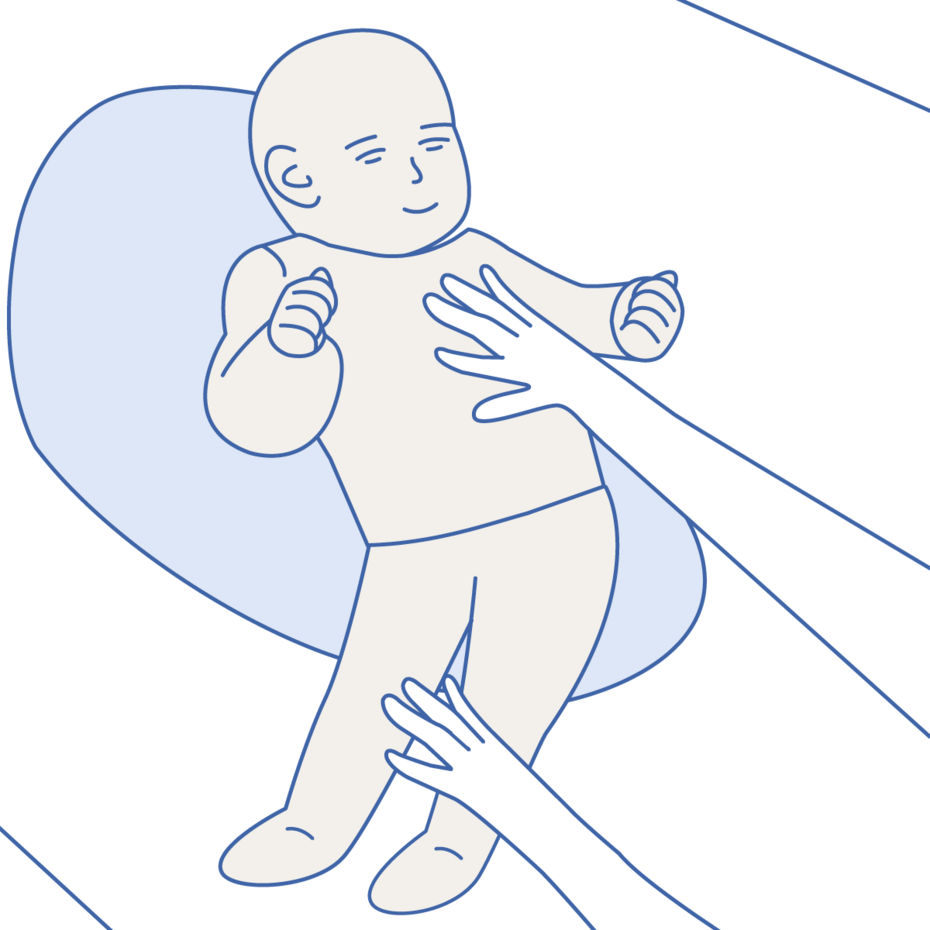
The idea behind changing position is that parents place their child in different positions. This changes the relationship between the circulation and ventilation of the lungs and can loosen secretions and make it easier for the baby to breathe. It is important to work together with the parents to see: What works best for their child? Where does the baby feel comfortable? Parents should find out where their baby is most comfortable — whether that is on the changing table, in bed, on the sofa or on their lap.
Parents can use the following position changes with their baby:
Hold each position for a couple of minutes for as long as the child feels comfortable. Then change position. It is easiest to start with parents placing the child on their back, because this way they can have eye contact. Then move the baby into the next position.
It is helpful if parents talk to their baby or sing to them when they change position. This creates a sense of closeness, trust and safety. They can also use toys or teddies to distract the baby.
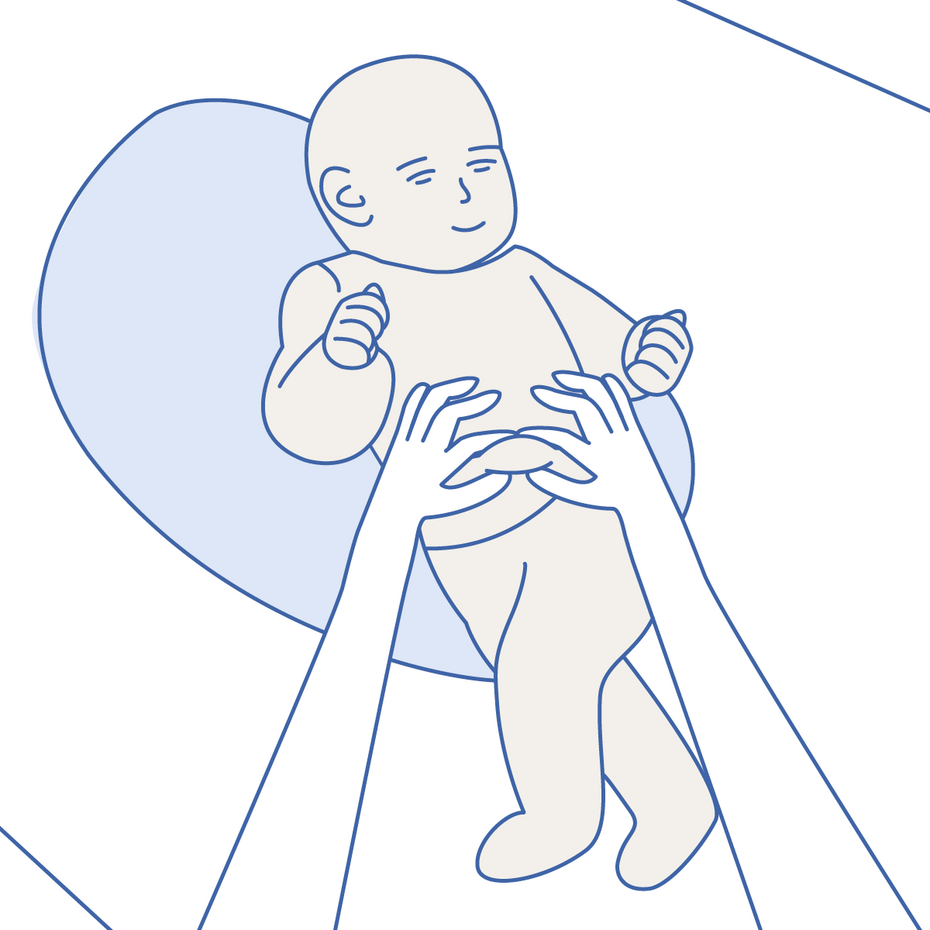
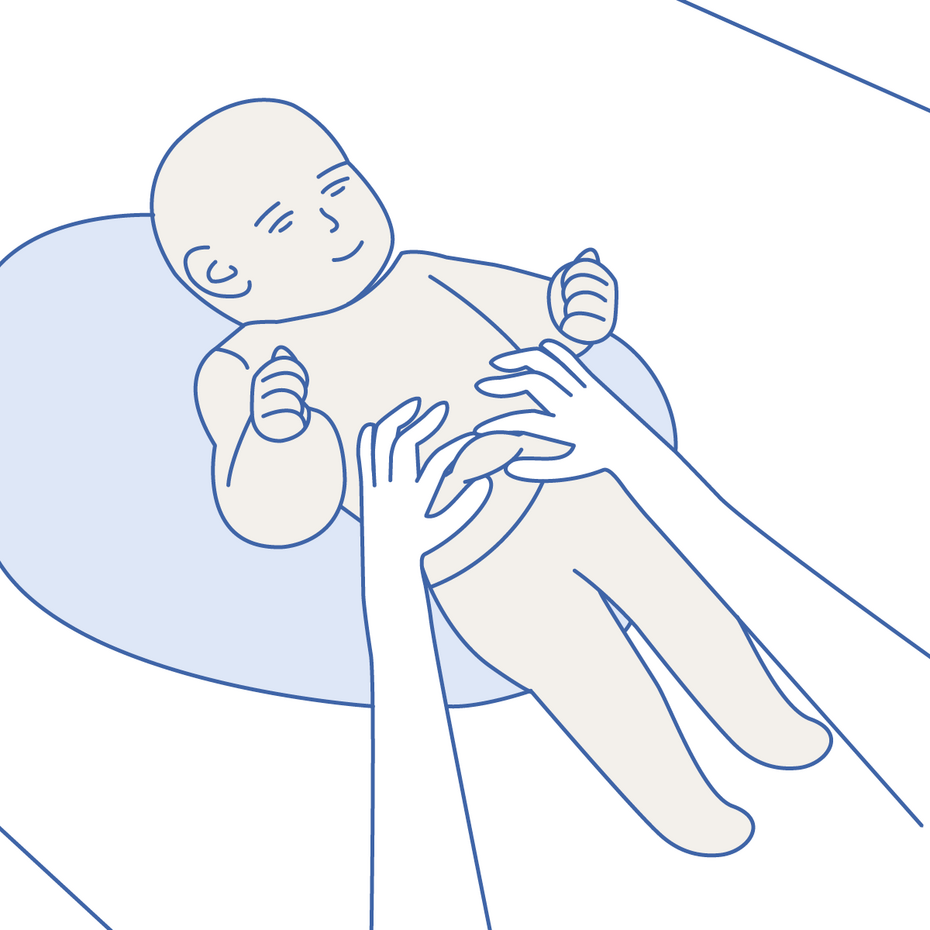
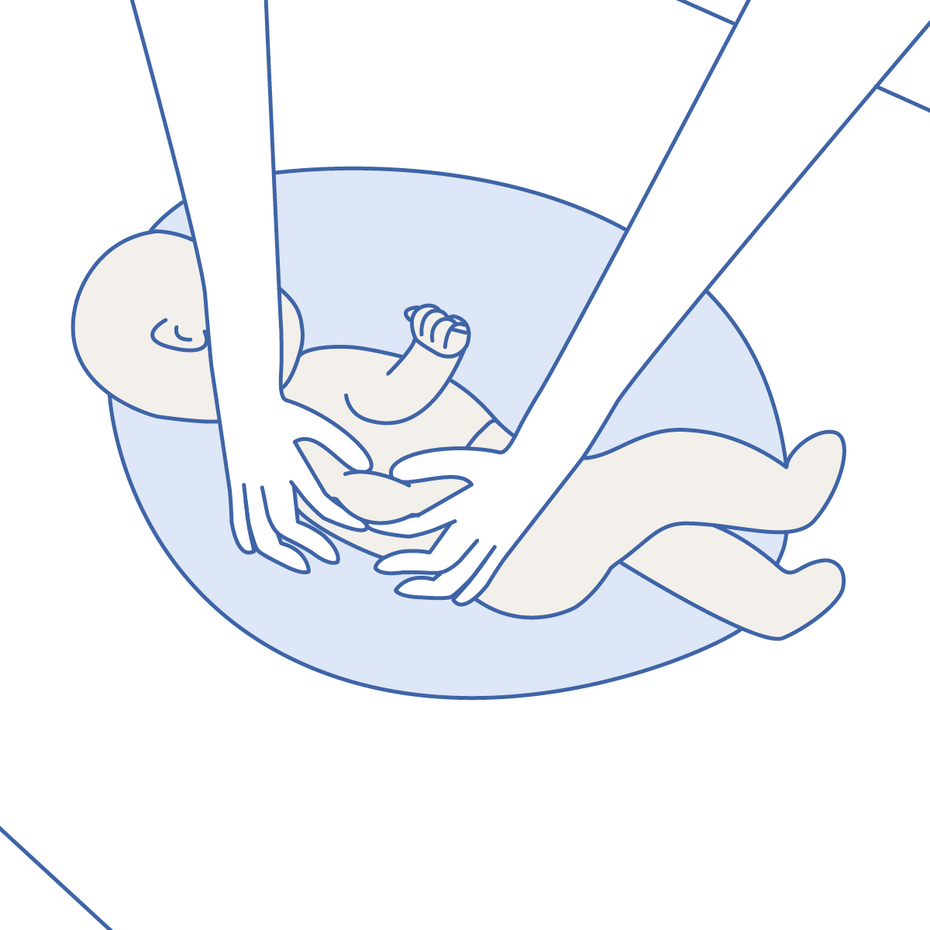
Parents can combine changing positions with gentle tissue techniques. Tissue techniques reduce resistance in the tissues which may well be elevated when a child has respiratory problems. Breathing is more relaxed, which has a positive effect on loosening the mucus.
Tissue techniques and manoeuvres that parents can easily learn are:
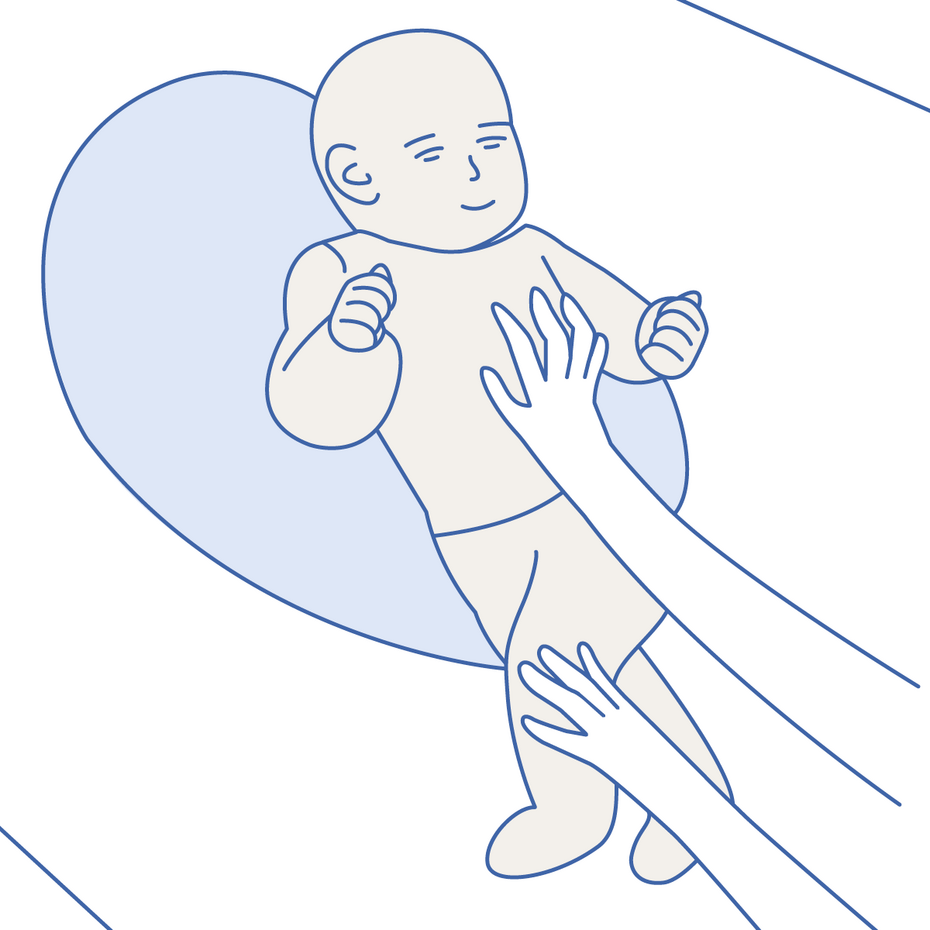
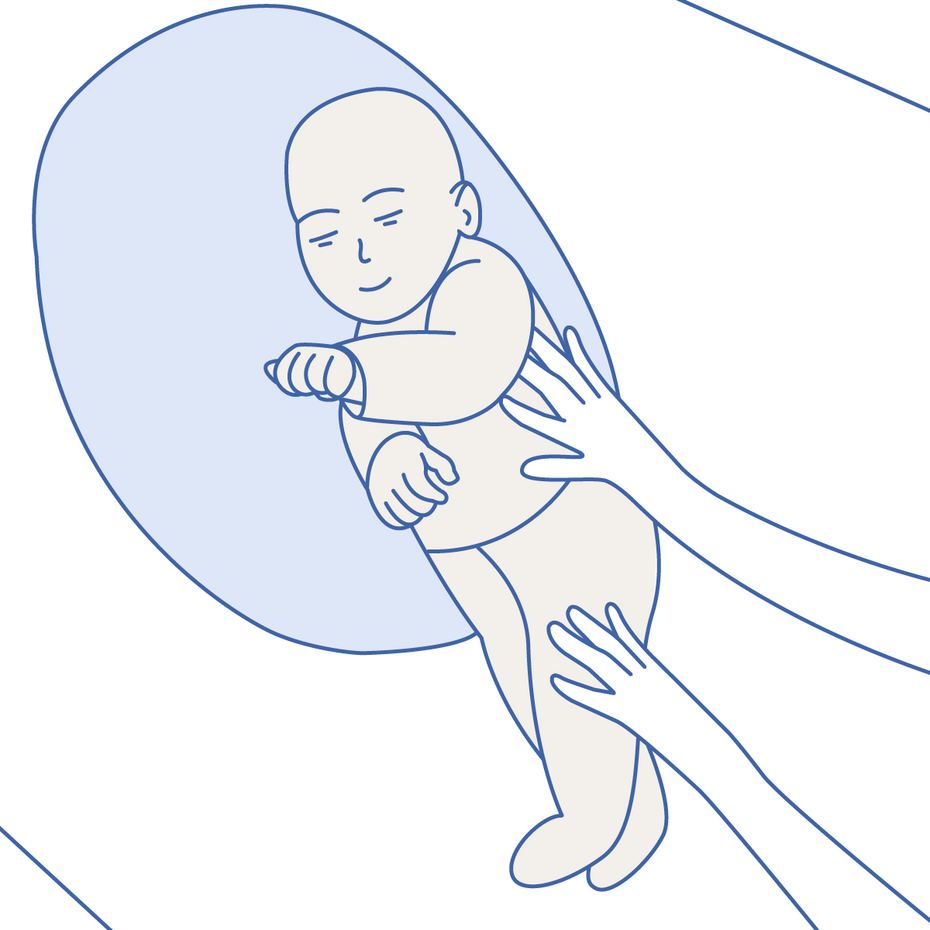
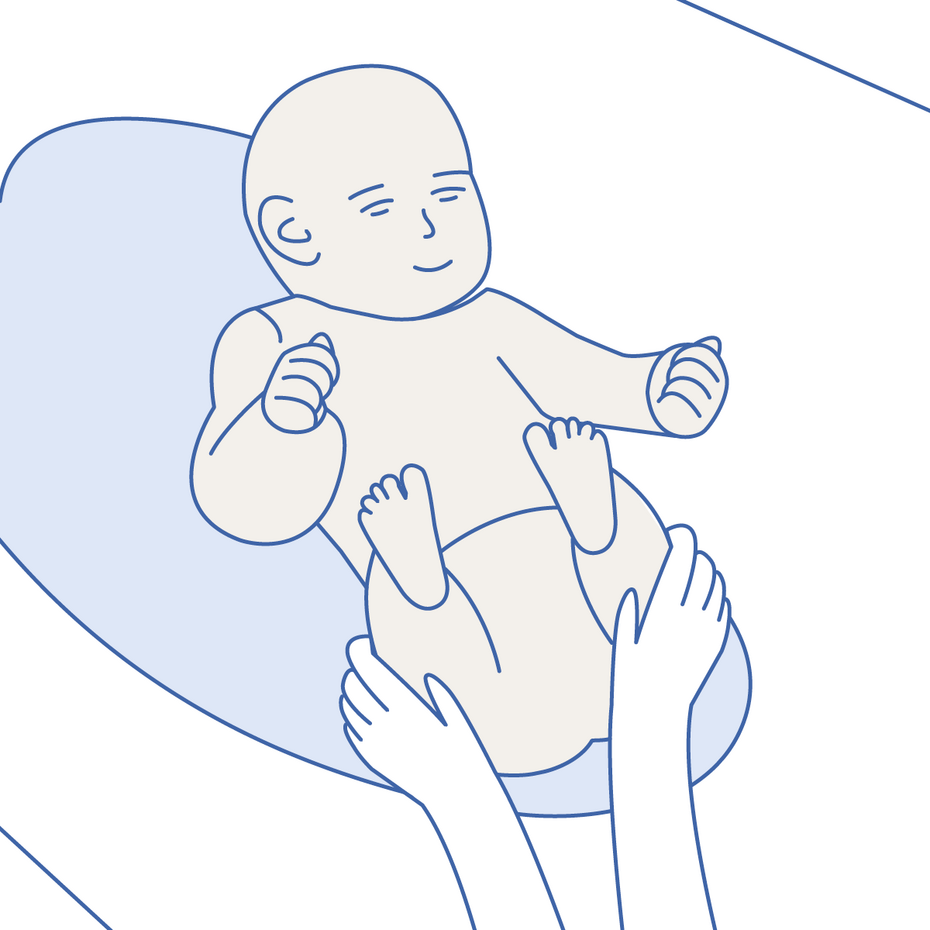
Inhalation therapy with a nebuliser is particularly important if babies have too much mucus – such as a cough or sniffles.
Nasal irrigation can help infants loosen persistent mucus from the nose, which in turn makes it easier for them to breathe through their nose. An isotonic saline solution is used with a syringe and a soft silicone attachment. The baby is placed on their side or their back, with their head turned to the side. The solution is carefully flushed into the upper nostril and drains out through the lower nostril.
Discharged secretions can be wiped away with a cloth. After flushing, gently bring the baby’s upper and lower jaws together. This should trigger a reflex where they breathe out through their nose. It also triggers the baby to swallow the secretions which have reached the throat. The baby can then be placed on their other side.
After irrigating the other nostril, again press the lower jaw against the upper jaw to trigger the same process as described above. Nasal irrigation for babies is not necessarily pleasant, but highly effective.
Not every baby tolerates nasal irrigation well. In this case, inhalation therapy using a nebuliser with a mask can be a gentle alternative for moistening the mucous membranes in the nose and loosen the mucus.
Inhalation therapy with a nebuliser plays an important role in respiratory physiotherapy for babies, especially if the baby has secretions or a persistent cough. We almost always recommend inhalation therapy, and in our practice, we try out what helps the child. Depending on the nature of the secretions, we also use hypertonic saline solution, such as a 3% solution. Most babies tolerate this well.
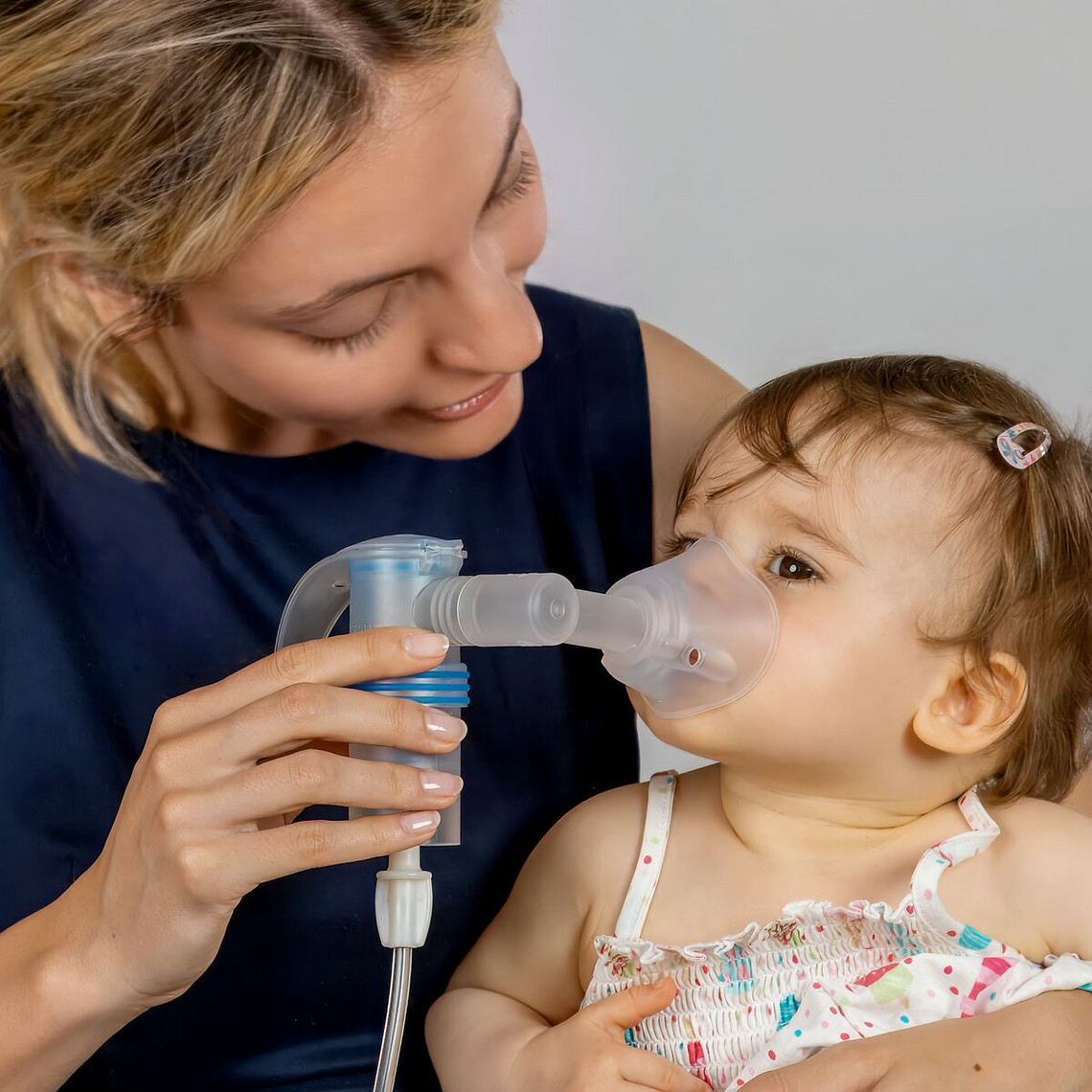
If children have a chronic respiratory disease or very often have acute airway infections, paediatricians generally prescribe an inhalation device. No matter if a device is prescribed or the parents purchase an inhalation device and accessories privately, you should watch out for the following features:
It is important that all parts of the nebuliser are properly dry after cleaning and disinfection before they can be used for the inhalation therapy. This way parents ensure that the nebuliser does not harbour any bacteria that thrive in moist environments.
Respiratory physiotherapy helps babies generally manage airway infections faster and more effectively. They experience less severe symptoms. The techniques positively support the entire respiratory system:
Children with chronic respiratory diseases such as cystic fibrosis, asthma, primary ciliary dyskinesia (PCD) and chronic bronchitis benefit the most from respiratory physiotherapy. Generally speaking, respiratory physiotherapy is a standard component of regular, standard therapy. Respiratory physiotherapy also helps children with recurrent infections, especially children with small airways. It helps these “sensitive” children get through the winter months more easily.
This article was written in cooperation with Marlies Ziegler. She works as a physiotherapist in private practice in Munich. She specialises in respiratory therapy. She has been treating patients with chronic obstructive and restrictive airway diseases such as asthma, COPD, cystic fibrosis (CF) and primary ciliary dyskinesia (PCD), for more than 20 years.
Note: The information in this blog post is not a replacement for treatment. The exercises described should be used as examples for respiratory therapy. PARI recommends that patients always coordinate with their doctor and physiotherapist.
Wie bewerten Sie diesen Artikel?
Melden Sie sich jetzt zur PARI Atemwegs-Post an mit wertvollen, hilfreichen Informationen rund um das Thema Atemwegs-Gesundheit. Sie erhalten die PARI Atemwegs-Post in der Regel einmal im Monat.
