
Inhalation and respiratory therapy are part and parcel of daily life for many children with cystic fibrosis. Find out here which device is suitable for which age.
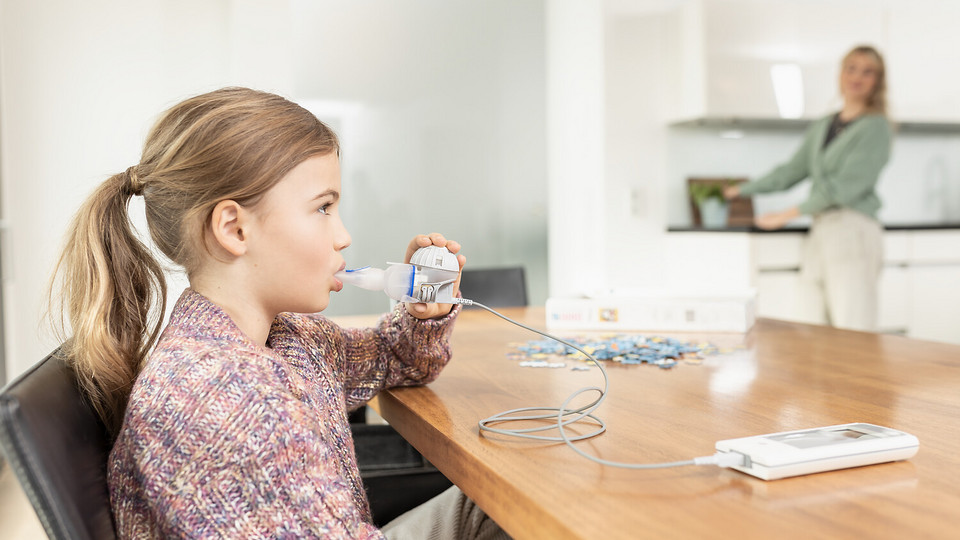
Inhalation therapy and respiratory physiotherapy are part and parcel of daily life for most children with cystic fibrosis (CF). Which devices are best suited depends on their age and which drugs they need to inhale. An overview for parents is available here.
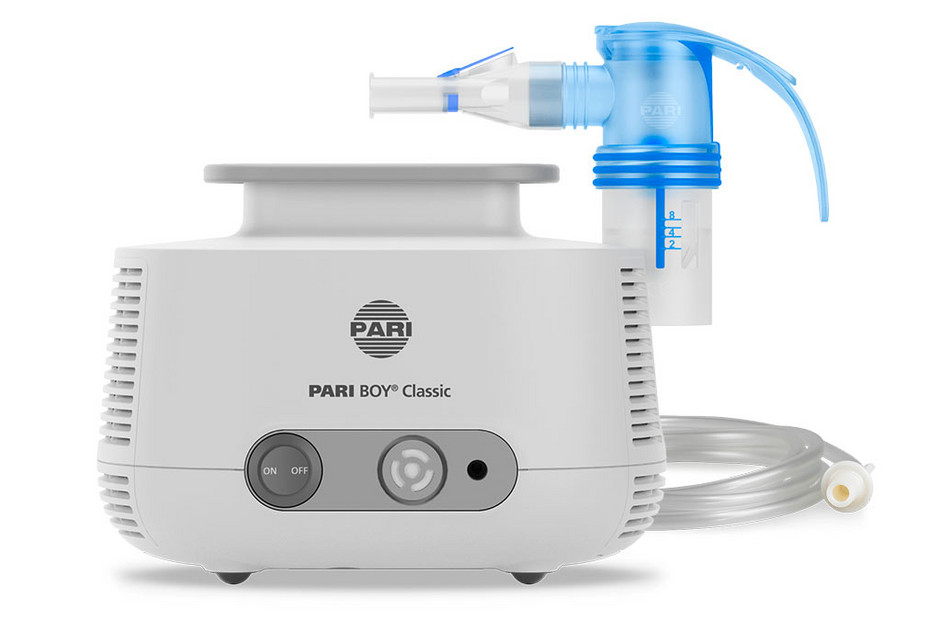
Inhalation therapy with a nebuliser is an integral part of daily life for most children with cystic fibrosis. They generally inhale a saline solution or hypertonic saline solution, perhaps a bronchodilator and one or more antibiotic. It is important to bear in mind that inhalation solutions and treatment frequency depend on the individual treatment plan; this should always be set by your child’s CF Team.
The following overview is a guide – please seek advice from your child’s CF Team.
Please also note that the PARI Filter Valve Set can be added if the drug being inhaled is an antibiotic.
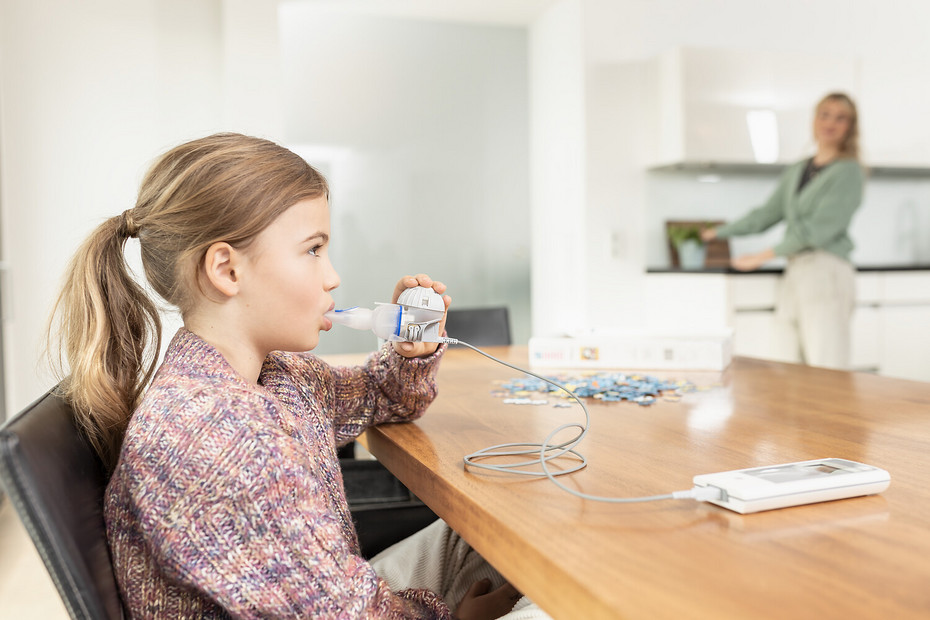
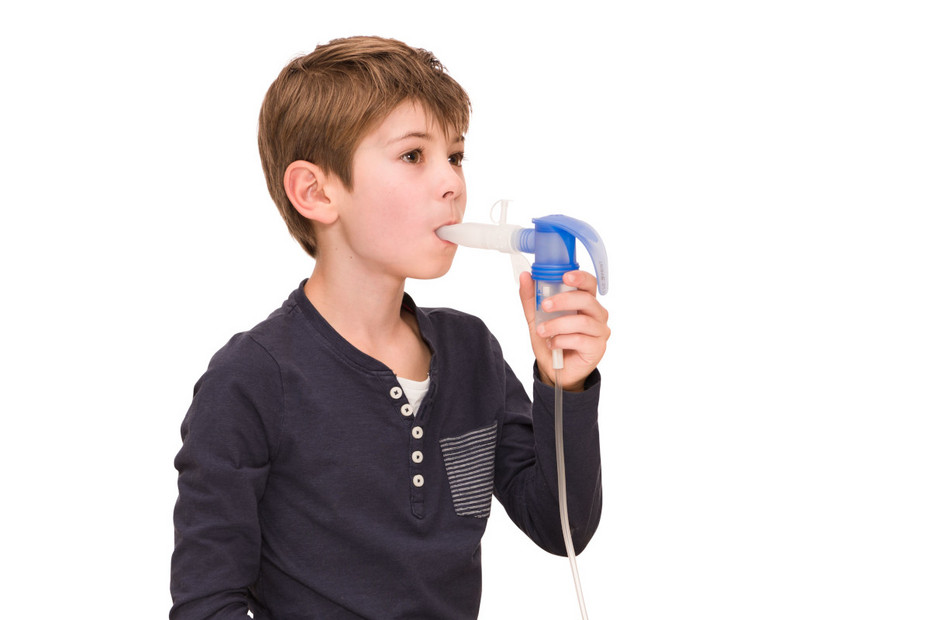
As well as inhalation, children with cystic fibrosis often also need respiratory physiotherapy, utilising certain breathing techniques and mobilisation exercises. Sometimes, they use a breathing technique called “autogenic drainage” which aims to remove secretions and mucus from the lungs as gently (without coughing) and effectively as possible. Respiratory devices such as the PARI PEP systems can also be helpful here, as they help remove the secretions more easily.
Note: The information in this blog post is not a treatment recommendation. The needs of patients vary greatly from person to person. The treatment approaches presented should be viewed only as examples. PARI recommends that patients always consult with their healthcare professional first.