Carola Landerer has cystic fibrosis. In this interview, the 24-year-old describes how she started working out and what respiratory therapy means for her.
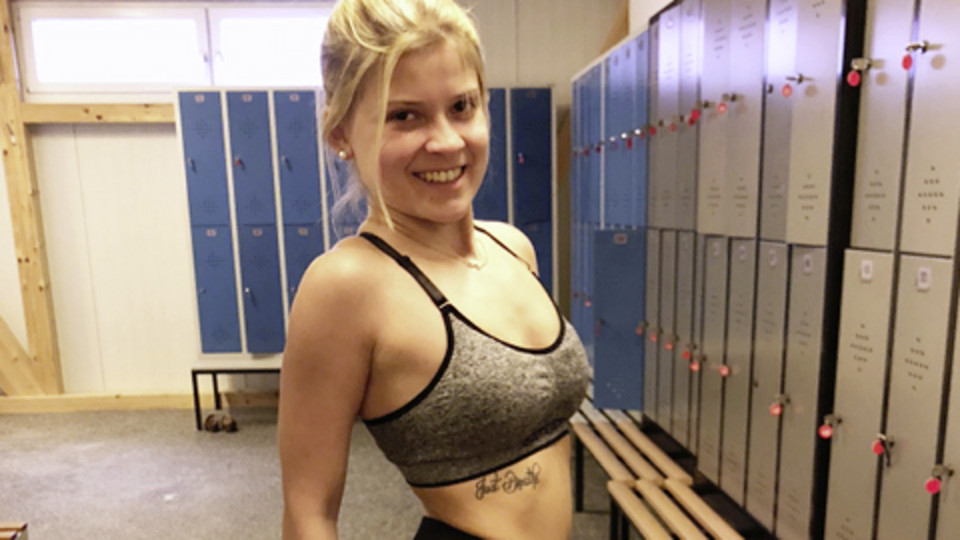
Carola Landerer does strength training and blogs about it. What is unusual about this is that the 24-year-old has cystic fibrosis (CF). Breathing and exercising are more difficult for Carola than for healthy people. Despite this, she enthusiastically lifts weights four times a week. For the PARI blog, she describes how she went from being unenthusiastic about sports to becoming a sports blogger and how exercising eases the signs of CF.
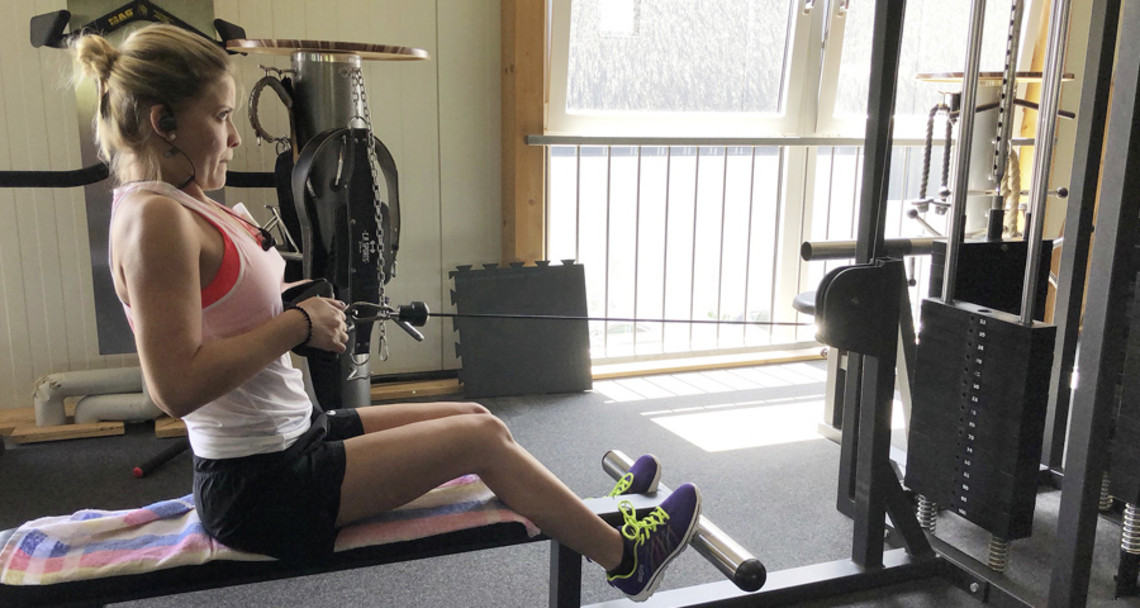
Carola Landerer: In 2016, my cardiologist told me my heart was too weak and treatments with even more medications was not appropriate. He recommended cardio workouts which scared me because until then I had always shied away from exercising. I got a prescription and started at a rehab centre with a combination of endurance and muscle-building training. Because I, like many people with CF who haven’t been working out, did not have much muscle mass, my training plan not only involved cardio, but also strength training. Strength training was a lot of fun for me and I quickly saw results and progressed. So, I have stayed with it and since then have worked out regularly at the gym.
Carola Landerer: I just can’t keep up with endurance training due to my lungs. For example, I need to take a break after jogging for only one minute, which isn’t exactly motivating. I can go for a walk or ride an e-bike, but I don’t consider that exercise; with strength training I can easily manage a 60 to 90-minute workout. Since I started doing strength training I have felt much better. I don’t get infections as often and cough less. In the evening after work I don’t feel so wiped out, I sleep well at night, and get through the day without getting fatigued on and off.
Carola Landerer: I have to go back a bit here. I used to find sport in general far too tiring. I hated PE at school because I was always last in running races and couldn’t keep up with my healthy classmates. For the same reason, I’d get out of school walks whenever I could. I was always afraid of lagging behind and having to cough a lot. But this avoidance strategy was wrong, as I now realise. Because sport is all about practice. Just as you can’t master a musical instrument the first time you pick it up, it’s the same with sport. You have to practise to get better and get your body to cooperate. A lung disease is, of course, a hurdle when it comes to sport, but with training you can improve your performance and success will follow.
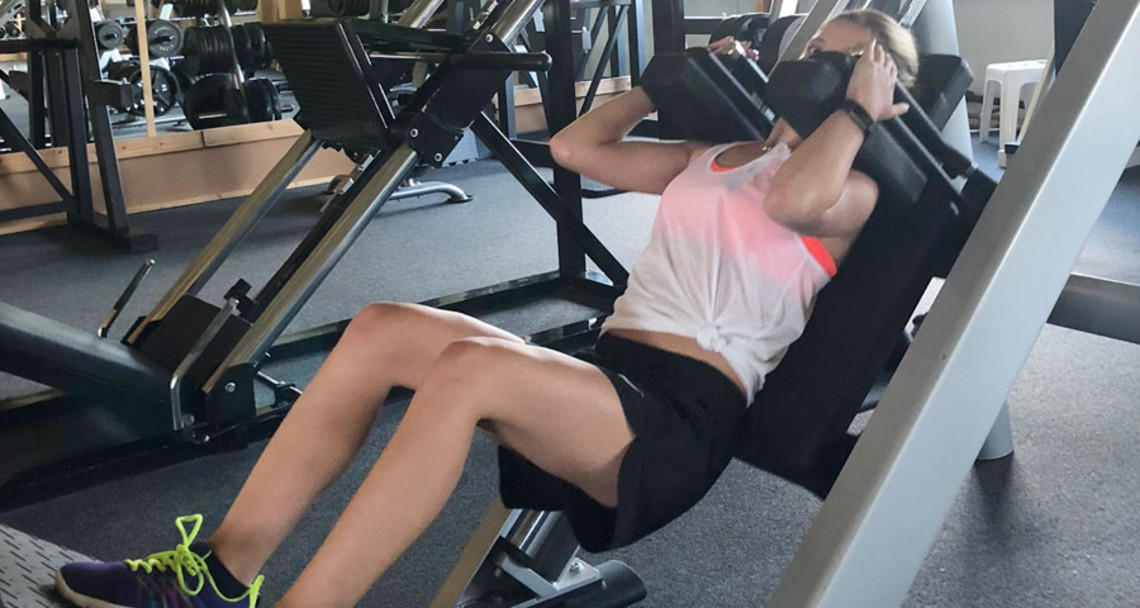
Carola Landerer: Along with motivation, a certain amount of discipline is also needed to stick with the workouts on a regular basis – in addition to respiratory therapy for the lungs, work and, also, when I don’t feel 100%. The discipline is provided by having regular workout times, which help determine my weekly and daily schedules. I am motivated because I feel better when I exercise and meet my goals. Every 6 to 8 weeks I change up my workout plan so I can train other muscle groups and set new goals to reach for, which motivates me to keep going. That’s human nature: success is motivating. Because I have been successful with strength training, I can also find the motivation to go on even if I have a mild infection. At those times I work out at about 70% instead of 100% and do a less strenuous workout. Only when it is worse do I avoid exercising altogether and let my body recover completely.
Carola Landerer: Respiratory therapy for cystic fibrosis clears and moistens the lungs. Usually, people with CF do nebuliser therapy twice a day, which I can’t do. I do my nebuliser therapy only in the mornings because I have to take blood thinners. This is because I am at an increased risk of forming blood clots, and too much nebuliser therapy or the inhalation of certain medications cause me to cough up blood at night. To mitigate this negative effect or to avoid it altogether I usually only use saline solution with the PARI Boy via a mask and breathe in through my nose. I take the antibiotic using the eFlow for a month, then I stop the antibiotic treatment for a month. Only this reduced form of nebuliser therapy helps me keep my lungs clear and at the same time prevent me from coughing up blood. At night, I use one of the PEP systems when I watch TV, to clear trapped air out of my lungs. This technique gets excessive air out of my lungs making it easier for me to breathe and naturally also makes my workout go smoother. Though I should say that weight training works like respiratory therapy for me. Taking deeper breaths when working out and consciously exhaling when straining the muscles loosens the secretions in my lungs. You sort of do a little respiratory therapy when you exercise, so exercising has become part of my treatment regimen for cystic fibrosis.
Carola Landerer: It is often a problem with cystic fibrosis that one’s shoulders slump forward rounding one’s back. I try to counter this since good posture helps breathing in general and deep breathing in particular. I can also say that all strength-training exercises are actually suitable for combating the rounded back problem, because proper form dictates that every exercise should be performed with good posture and pulling one’s shoulders back in order to prevent injury. I especially like to use the rowing machine and use the lat pulldown bar because these exercises strengthen the back.
Carola Landerer: It is always hard to motivate other people to work out, because they need to come to that conclusion themselves. Still, I’d like to share my story. I never liked exercising and never would have thought that I would ever enjoy working out and that exercise would be so good for me. I want to share this experience with other people who have CF and lung diseases. It is so easy to improve, and you feel better which makes it a lot of fun. To spread the word and to motivate others I started my blog GYMuko. I also share my experiences and workout tips on YouTube and Instagram.
Note: The statements made in the interview are the individual views of the interviewee. They do not necessarily reflect the PARI view or the general state of science.
