Hypertonic saline solution is inhaled with a nebuliser. The solution helps expel thick mucus from the lungs. Read on to find out why this works and for useful tips on this inhalation solution.
Hypertonic saline solution is a solution for inhalation with a nebuliser such as the PARI BOY Classic or the PARI COMPACT2. Solutions with strengths ranging from 2 to 8% salt content are available. As such, hypertonic saline solutions have a higher percentage of dissolved salts than in the cells and fluids in the human body.
Hypertonic saline solution works based on the principle of ‘osmosis’ (movement of water through a membrane). The following happens when you inhale hypertonic saline solution:
» The hypertonic saline solution starts to take effect: The mucus liquifies.
This mechanism means that hypertonic saline solution promotes the ‘self-cleaning’ function of the lungs. You cough up the mucus along with the germs trapped in it and can breathe more freely. Salt also helps reduce swelling in the mucosal membranes and boosts circulation.
Inhaling hypertonic saline solution is the proper treatment if your lungs have a build-up of mucus. This could be due to an acute infection or if you have a chronic respiratory disease such as bronchiectasis, COPD, cystic fibrosis (CF) or primary ciliary dyskinesia (PCD).
Inhalation of hypertonic saline solution is one of the standard therapies for cystic fibrosis. Patients with CF usually have a severe build-up of mucus in the lungs and inhale with saline solution several times a day. This helps to loosen the mucus so they can cough it up.
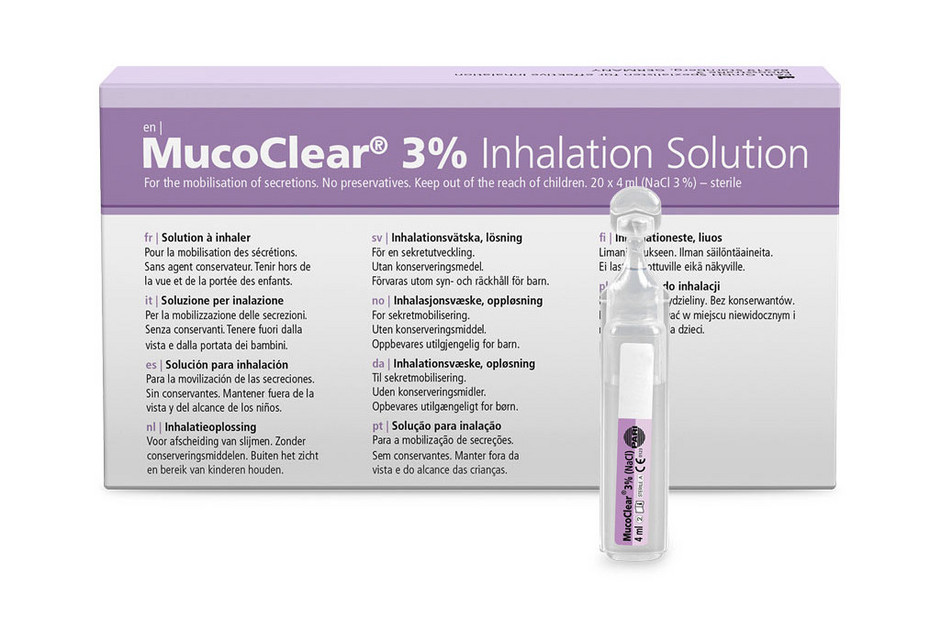
You can buy PARI hypertonic saline solutions from our online shop. It is available as MucoClear 3% and MucoClear 6%, each containing different salt concentrations.
It is also possible to mix it with isotonic (0.9%) saline solution to create a different salt concentration.
The problem with homemade salt solutions is this: Although it is actually easy to make (table salt + boiled tap water), mistakes can be made with the salt concentration of the solution. Table salt also often contains iodine, fluoride or folic acid, which can irritate the airways. Even table salt without these additives can contain anti-caking agents or release agents.
Another problem is the quality of the drinking water. Boiling does kill almost all microorganisms, but not bacteria and viruses that can survive at temperatures of 100 degrees Celsius, or that form spores. Tap water can also contain heavy metals, drug residues and microtoxins. Therefore, we would not recommend making your own hypertonic saline solution.
PARI hypertonic saline solutions are sterile and free from preservatives or additives.
Inhaling salt water over a pot is common practice but is not actually effective. Salt has a much higher boiling point than water, so the salt is left in the pot and only the water evaporates. Therefore, inhaling salt using the “head over a pot method” has no effect and can even lead to scalding of the skin.
Most people are familiar with isotonic saline solution, i.e. NaCl 0.9 percent. Isotonic saline solution contains a salt content that is usually found in our cells and bodily fluids. Inhaling isotonic saline solution therefore generally helps to simply moisten the airways.
Hypertonic saline solutions have a higher salt content than isotonic saline solution. This allows them to liquify the mucus in the airways and helps clean the lungs if there is a build-up of mucus.
Note: The information in this blog post is not a treatment recommendation. The needs of patients vary greatly from person to person. The treatment approaches presented should be viewed only as examples. PARI recommends that patients always consult with their healthcare professional first.
An article written by the PARI BLOG editorial team.
© 2026 PARI GmbH Spezialisten für effektive Inhalation
