
Cystic Fibrosis (CF) is an inherited disease that affects approximately 30,000 people in the US. It is typically diagnosed at birth and is a progressive genetic disorder that results in persistent lung infections and reduced lung capacity over time.
People with CF have mutations in the cystic fibrosis transmembrane conductance regulator (CFTR) gene. When the CFTR protein is not working correctly, there is an imbalance of salt and chloride which results in the mucus in various organs becoming thick and sticky. In the lungs, the mucus clogs the airways and traps bacteria which leads to infections.
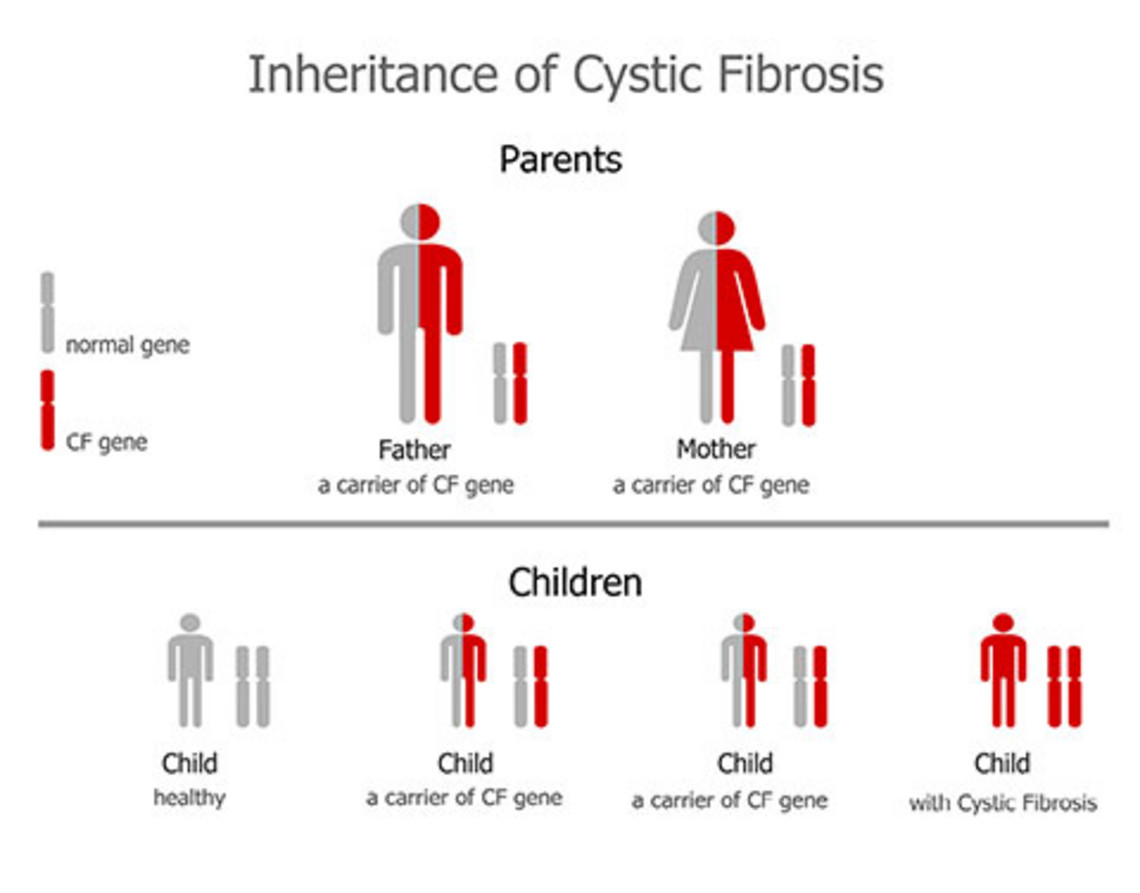
The CF gene was first identified in 1989. There’s a 1 in 4 chance that a child will be born with CF when both parents carry the gene and pass it to their offspring. CF can affect the lungs, digestive system, pancreas and reproductive system. Signs include:
Recognizing which individuals have more aggressive disease characteristics and predicting their risk of lung disease progression is an important step in managing and extending the life expectancy of CF patients. Disease progression can vary greatly. It also depends on which organs are affected. Very often those affected suffer from a constant cough and recurrent respiratory and lung infections. Digestive disorders are also common and can cause young patients to become underweight or fail to thrive.
Therapies for the treatment of cystic fibrosis focus on the symptoms of the disease, but in recent years there has also been a focus on the genetic cause of CF. For the most part patients require treatment that resolve the symptoms of CF. These treatments have advanced over many years. As a result, patients spend several hours per day managing their disease as a part of normal life. More recently, causal therapies have targeted the genetic cause of CF thus making symptomatic management less challenging.
CF affects the lungs, pancreas, digestive, and reproductive systems. However, lung disease is the main cause of illness and death. CF can also cause chronic infections and inflammation in the body.
Some common symptoms include:
Since 2010, all states require that newborns are tested for CF. The most common test is the sweat test which determines the amount of chloride in a person’s sweat. If the chloride level is abnormally high then a newborn will be diagnosed with CF.

Life expectancy in CF has improved significantly due to advancement in therapeutic options. Today, more people than ever before are fully employed, getting married and having children.
To stay healthy and control symptoms, people of all ages with CF can manage their disease by following a regular treatment routine that includes airway clearance, oral and inhaled medications, a fitness plan, and nutritional therapies.
In recent years many new medications have been launched, such as greatly improved digestive enzymes and inhaled antibiotics. Along with airway clearance therapy, these medications help to greatly improve the quality of life of patients.
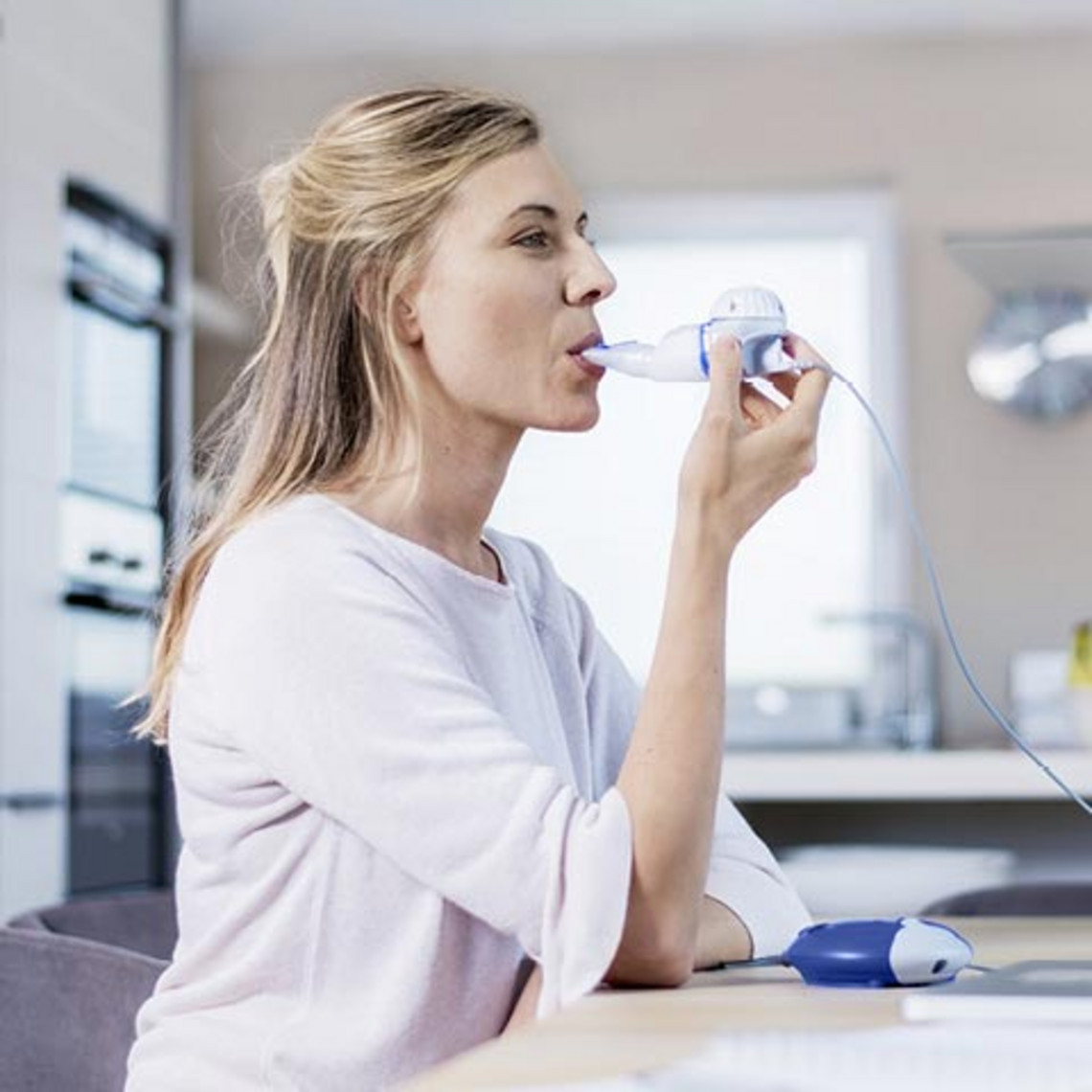
Those affected have recurrent infections that cause permanent damage to the tissue of the lungs. This is why doctors rely on targeted control of these infectious pathogens. Usually inhaled antibiotics are administered for long-term treatment.
The thick mucus of a person living with CF puts them at risk for lung infections caused by the Pseudomonas aeruginosa bacteria. Pseudomonas infections are potentially life-threatening, and those with cystic fibrosis are at a particular risk of colonizing the bacteria in the lungs because of the mucus they produce.
Once colonized in the lungs, P. aeruginosa causes chronic lung infection that can reduce lung function and overall physical health. Kitabis Pak is an antibiotic that can treat P. aeruginosa in the lungs. It is inhaled directly into the lungs where the P. aeruginosa is colonized.
Let Mo help educate you about Pseudomonas Aeruginosa and what you can to do to keep Mo and his friends from taking over! Watch this video and see how Kitabis® Pak Tobramycin Inhalation Solution can help minimize Mo!
A YouTube video is loaded here. If you cannot see the video window, it is because you do not allow external content in your settings. For more information, please see our Privacy Policy.
Sometimes people are taught special breathing techniques which make it easier for them to cough up mucus from the lungs. In addition, doctors recommend regular physical exercise such as running, cycling or dancing.
It is important to understand how to care for and clean your nebulizer. Regular cleaning and disinfection help to prevent bacterial contamination. Follow the manufacturer’s instructions for use to be sure you are using approved methods that have been tested and are effective in keeping your device clean. If in doubt, always consult with your healthcare team on what is the best approach for you.
A YouTube video is loaded here. If you cannot see the video window, it is because you do not allow external content in your settings. For more information, please see our Privacy Policy.
PARI’s expertise in aerosol science, superior device performance and proven track record with clinical trials for respiratory diseases like Cystic Fibrosis, provide innovative and effective solutions for inhaled drug delivery.
The contents of the PARI Site, such as text, graphics, images, and other material contained on the PARI Site ("Content") are for informational purposes only. The Content is not intended to be a substitute for professional medical advice, diagnosis, or treatment. Always seek the advice of your physician or other qualified health provider with any questions you may have regarding a medical condition. Never disregard professional medical advice or delay in seeking it because of something you have read on the PARI Site!
If you think you may have a medical emergency, call your doctor or 911 immediately. PARI does not recommend or endorse any specific tests, physicians, procedures, opinions, or other information that may be mentioned on the Site. Reliance on any information provided by PARI, PARI employees, others appearing on the Site at the invitation of PARI, or other visitors to the Site is solely at your own risk.